Across the palm oil sector, businesses are facing rising expectations to demonstrate the implementation of due diligence processes to ensure they respect human rights throughout their business operations.
For more than two decades, the Roundtable Sustainable Palm Oil (RSPO) framework has provided a clear foundation for human rights expectations for companies in the palm sector. More recently, key legislative frameworks, such as the Germany Supply Chain Due Diligence Act and United Kingdom (UK) Modern Slavery Act, have further reinforced the need for strong human rights due diligence in global supply chains. These frameworks, where applicable, require palm oil producers or suppliers to show how their business can fulfil human rights standards by:
- adopting a human rights policy statement
- conducting risk assessments
- prevention, mitigation, and remediation of human rights risks
- monitoring and reporting, and
- establishing grievance mechanisms to protect workers in their own and extended supply chain in order to maintain and enhance access to the European Union (EU) market.
In response to this evolving landscape, leading global and agricultural food company Cargill, in collaboration with Earthworm Foundation, launched a three-year partnership programme in 2024 to strengthen the capabilities of its upstream palm suppliers and affirm fundamental human rights standards in their own operations and extended supply chain. The programme was designed to enhance suppliers’ ability to identify and manage labour risks, particularly indicators of forced labour such as unethical recruitment practices, while strengthening internal systems, improving workplace conditions, and preparing for evolving buyers’ expectations.
This programme specifically addresses key labour rights concerns relevant to the Cargill Malaysian supply chain, including risks of forced labour, unethical recruitment, child labour, access to remedy, fair wages and working hours, worker voice, and health and safety.
“Palm oil suppliers often face significant challenges in balancing the implementation of human rights due diligence (HRDD) with business cost efficiency, while managing corporate risk management and workers’ risk mitigation. This programme provides guidance and tools that are relevant to suppliers’ pain points and crucial for connecting supply chain blind spots with HRDD. It equips Cargill's suppliers to set clear priorities and develop robust action plans to operationalise fair, safe, and responsible practices into everyday operations, mitigating risks to workers and supporting long term business resiliency,” said Lynda Lim, Social and Human Rights Technical Lead at Earthworm Foundation Malaysia.
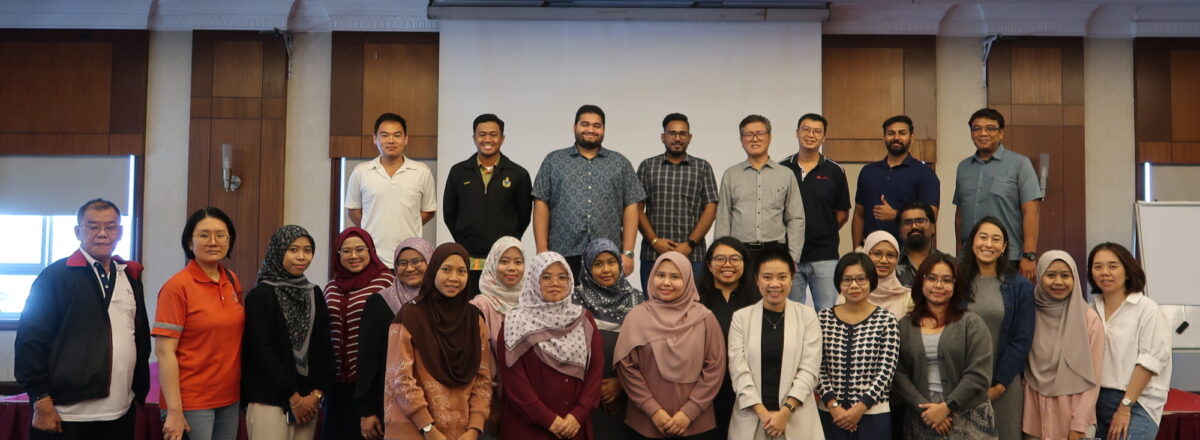
Building the Foundations
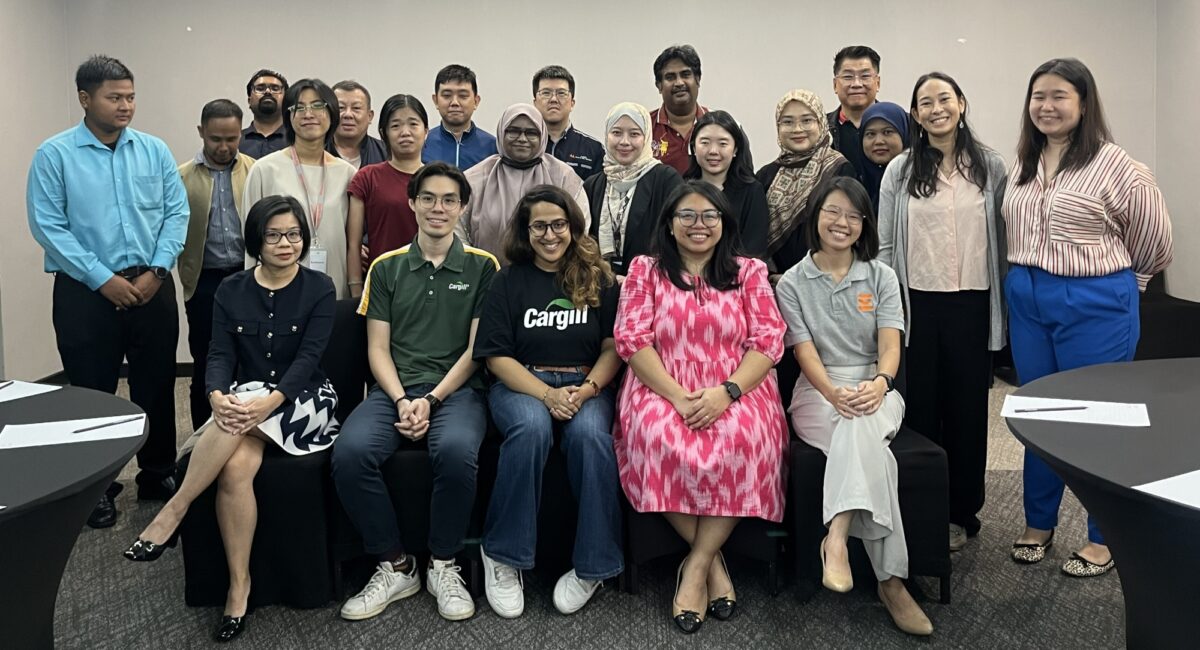
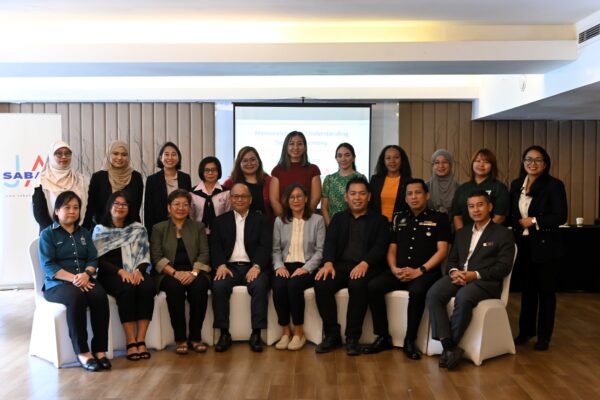
Over the past two years, our focus has been on laying essential groundwork. This has included a series of workshops focused on forced labour, ethical recruitment and child protection were organised for suppliers in Peninsular Malaysia and in Sabah. Approximately 59 palm oil mills and 12 plantation estates that supply Cargill were trained on various topics.
1. Ethical Recruitment
This session built suppliers’ competency to implement ethical recruitment due diligence in alignment with international norms, national legal requirements, and buyers’ requirements. It equipped suppliers to:
- identify and address recruitment-related risks, including recruitment fees and deceptive practices
- strengthen screening, contracting, and onboarding systems
- assess recruitment agencies and intermediaries for compliance with ethical recruitment standards
- establish monitoring mechanisms and grievance channels specific to recruitment practices.
The aim is to safeguard migrant workers and reinforce accountability for responsible sourcing from the point of hire in the country of origin.
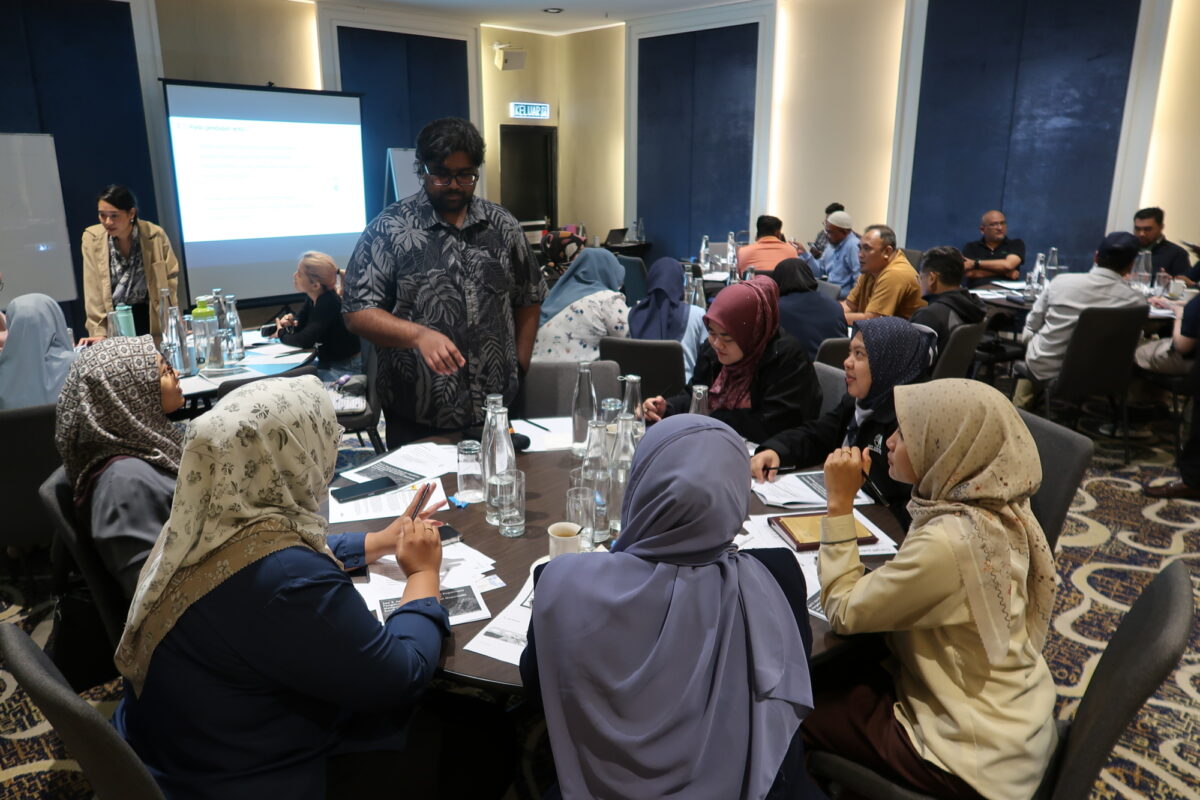
2. Forced Labour
Anchored in the International Labour Organization (ILO)’s 11 Indicators of Forced Labour, this training equipped suppliers to identify and respond to labour risks and to align operations with national legislation, industry standards, and buyers’ requirements. It focused on:
- strengthening workplace health, safety, and well-being through structured risk identification and mitigation
- ensuring fair labour practices related to wages, working hours, and contract awareness
- providing access to effective grievance mechanisms to support conflict resolution
- promoting freedom of movement and association, and improving workers accommodation standards.
One of the supplier training participants shared, “We learned more about what forced labour means, what is already being done, and new ways to prevent and address issues that have occurred in the past.”
3. Child Protection
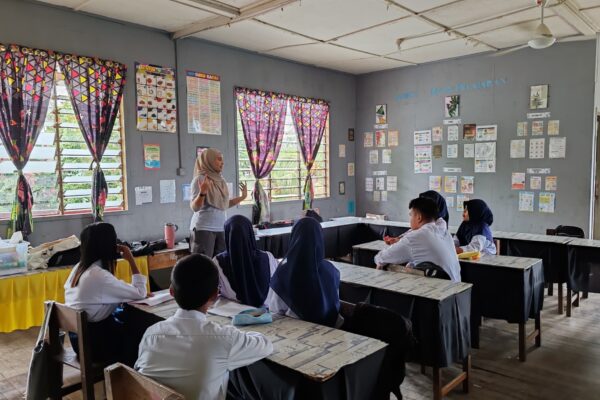
The training on child rights frameworks equipped participants with a clear understanding of child protection risks in palm oil plantations and the responsibilities of companies to address them. It highlighted the factors that increase children’s vulnerability, reinforced alignment with the United Nations Convention on the Rights of the Child, and underscored commitments under the No Deforestation, Peat, and Exploitation (NDPE) Policy. Suppliers were introduced to child safeguarding principles, the prevention of child labour—including its worst forms—and practical tools such as the Child Risk Assessment Framework (CRAF) to identify and mitigate risks, strengthen grievance mechanisms, and collaborate with service providers. Together, these sessions provided actionable guidance to help suppliers meet Cargill requirements, international and industry standards, and national legislation to create safer environments for children living on palm oil plantations.
4. Policy Development, Review, and Enhancement
This programme supported suppliers in strengthening their sustainable palm oil guidelines in line with international standards, and it facilitated the process of drafting a dedicated human rights policy commitment at a supplier group level.
While meaningful systems change takes time, these early steps are critical in embedding sustainable practices rather than short-term fixes.
Supporting Better Workplace Practices
Creating resilient supply chains requires attention to worker voice, well-being, and engagement. The programme continues to promote improved workplace practices that contribute to stable workforces, reduced grievances, and greater transparency. Cargill and Earthworm Foundation committed to supporting suppliers on this journey, recognising that continuous improvement is an ongoing process that requires collaboration and trust.
This programme is actively building lasting capability, ownership, and accountability within suppliers’ operations. By strengthening policies, improving management systems, delivering targeted capacity-building, and continuously verifying progress, Cargill is supporting suppliers to proactively manage risks, protect workers, and meet evolving regulatory and buyer expectations. Through its ongoing partnership with Earthworm Foundation, Cargill is translating its human rights commitments into consistent, on-the-ground action across its palm oil supply chain. This collaboration reflects a sustained effort to embed human rights due diligence into everyday business practices — from responsible recruitment and workplace management to grievance handling and performance monitoring.
Looking Ahead
As we move into the final phase of the programme, our priority is to accelerate implementation and deepen impact, the focus remains on
- Embedding stronger supplier labour management systems
- Enhancing supplier preparedness for external scrutiny
- Supporting long-term business resilience and competitiveness
Transforming labour practices is complex and requires sustained effort. While progress is incremental, our commitment remains strong. By continuing to invest in capability building and partnership, we aim to strengthen protections for workers and reinforce our credibility as a responsible business partner.