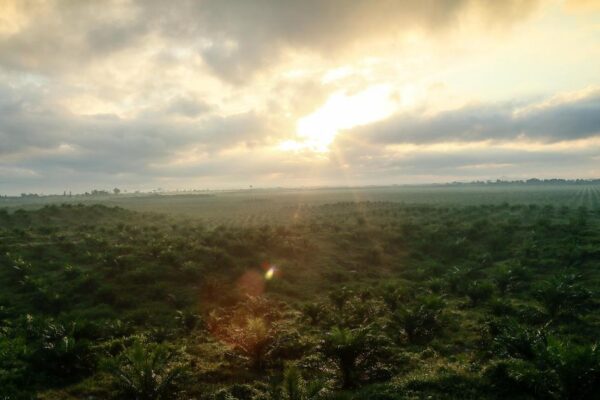
In early 2024, the global cocoa market did something unprecedented. Prices surged past $12,000 per ton, shattering historical records. On trading floors in New York and London, this was viewed as a commodities boom. But in the villages of Côte d'Ivoire and Ghana, it was felt as a catastrophic failure.
The narrative of a 'price spike' in the field signals systemic breakdown. West African cocoa production didn't just dip; it has been reported to have crashed by over 25% in a single season. This collapse wasn't driven by market speculation, but by a systemic breakdown of the environment itself.
The chocolate industry is currently facing a perfect storm of biological and economic crises. If we look past the ticker tape, we see five distinct fractures in the foundation of the world's favourite ingredient.
1. The Invisible Fire
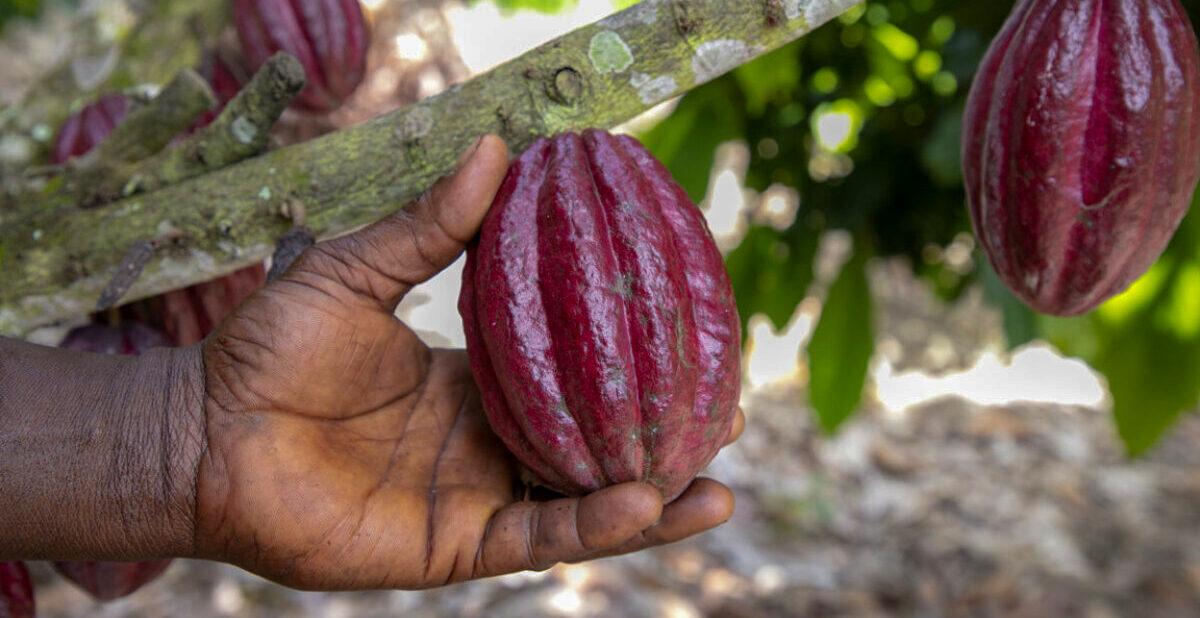
For decades, the West African cocoa belt was the perfect nursery for Theobroma cacao. But the climate has shifted. A recent analysis by Climate Central reveals that human-induced climate change has added approximately 40 days of extreme heat (temperatures exceeding 32°C) to the region every year.
This specific temperature threshold is critical. Above 32°C, the cocoa tree enters a state of physiological defence. It closes its stomata, the pores on its leaves, to retain moisture. In doing so, it halts photosynthesis. The trees are not just hot; for over a month every year, they are effectively holding their breath until they starve.
2. The Climate Whiplash
Heat is only half the equation. The hydrological cycle on which cocoa depends has broken. Farmers are now battling "Climate Whiplash", a volatile oscillation between extended, scorching droughts and erratic, intense flooding.
The dry "Harmattan" winds are becoming fiercer, stripping moisture from the soil just when the pods need to fill.
When the rains do return, they often come as deluges that wash away topsoil and nutrients. Without consistent moisture, young pods (cherelles) simply wither and turn to dust.
3. The Silent Epidemic
In the shadow of the climate crisis, a biological enemy is advancing. The Cocoa Swollen Shoot Virus Disease (CSSVD) has become endemic across the region.
There is no chemical cure for Swollen Shoot. Once a tree displays the telltale red veins and swollen stems, it is effectively dead. The only remedy is the "cutting out" method: uprooting the infected tree and burning it to create a buffer zone. In recent years, millions of hectares of productive cocoa forest have been lost to this protocol, wiping out generations of family investment.
4. The Broken Value Chain
Perhaps the most painful irony is the economic one. When global prices hit $12,000, the farmers living at the epicentre of the crisis saw almost none of that wealth.
Because of the forward-selling mechanism, farmgate prices in West Africa are fixed at the start of the cocoa cycle and remain fixed for the rest of the year until the following October. While traders capitalised on the surge, farmers were paid prices set during the previous year's lows, roughly $2,400 per ton. Trapped between fixed incomes and skyrocketing living costs, farmers cannot afford the inputs needed to save their dying land. They cannot invest in shade trees, irrigation, or soil regeneration because they are fighting for daily survival.

5. Migration is Not Regeneration
The industry’s response to this collapse has been one of desperate movement. Locally, farmers are abandoning exhausted plots and pushing into the last remaining forests, such as the Cavally Forest Reserve. Deforestation is now spiking inside protected areas as producers chase the last fertile soil.
Globally, buyers are shifting procurement to Latin America (Ecuador, Peru, and Brazil). But this "shift" brings a dangerous regression.
Latin America has spent the last decade cleaning up its palm oil sector, achieving nearly 80% traceability in some supply chains to curb deforestation. However, the new cocoa rush threatens to undo this progress. In the Peruvian Amazon alone, industrial cocoa expansion has already been linked to over 13,000 hectares of deforestation.
If we replace 'Clean Palm' with 'Dirty Cocoa', we are not solving the ecological crisis; we are just swapping the driver of destruction.
The Path Forward
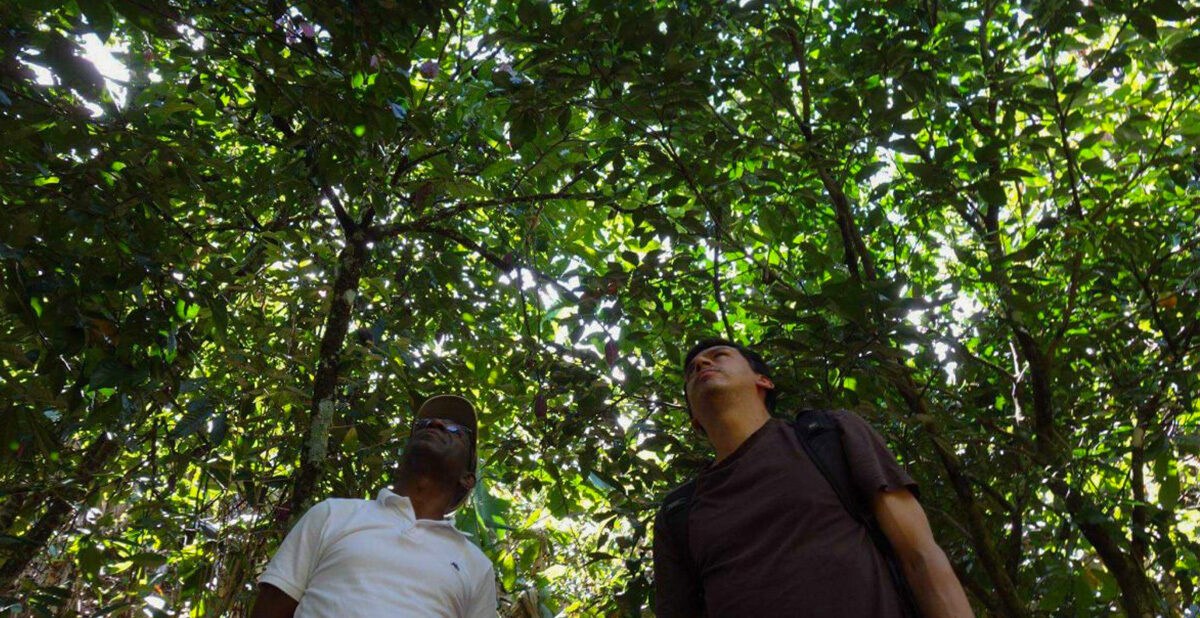
We cannot outrun a broken ecological system. The solution is not to move the farm; it is to heal the soil.
To secure the future of cocoa, we perhaps need to pivot from extraction to regeneration. This means investing in living soils that can hold water during droughts. It means planting shade trees to lower the canopy temperature. And crucially, it means paying farmers a price that allows them to be stewards of the land, rather than victims of the market. The collapse of West African cocoa is a warning.
It is time we listened.