A deforestation- and conversion-free (DCF) result may appear as a single figure in a report.
Behind that figure sits traceability data, satellite monitoring, supplier engagement and a consistent approach to interpreting evidence across complex palm oil supply chains.
As expectations for responsible sourcing continue to evolve, transparency about how DCF performance is assessed is just as important as the results themselves.
To provide greater transparency, we've published our updated Deforestation & Conversion Free (DCF) Methodology for Palm Oil. The methodology explains how Earthworm assesses and reports DCF performance for its members. It sets out the evidence, implementation pathways and reporting principles that guide our approach, providing greater transparency into how DCF outcomes are determined and reported.
Progress towards deforestation- and conversion-free supply chains has accelerated over the past decade. Companies have invested heavily in improving transparency, traceability and supplier engagement, while industry initiatives have helped bring greater consistency to how progress is measured.
But the work behind a DCF assessment has also become more complex.
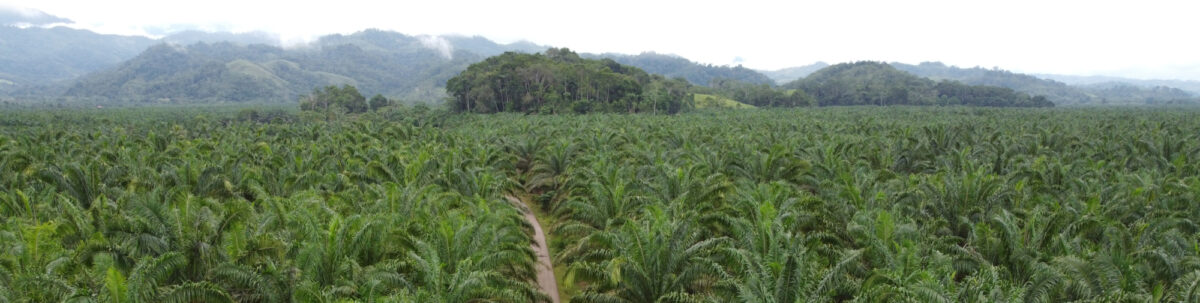
Different sourcing models require different forms of evidence. Some supply chains can be traced to individual plantations. Others rely on satellite monitoring, risk-based approaches or supplier control mechanisms. Smallholder sourcing introduces additional challenges where farm-level geolocation is not always available.
Applying these different pathways consistently is one of the reasons Earthworm developed this methodology. It explains how we interpret existing DCF principles and apply them across the diverse palm oil supply chains we support.
Earthworm's DCF methodology builds on the work of monitoring supply chains. In this short video, Rob McWilliam, Director of Supply Chain Solutions, Earthworm Foundation explains some of the practical challenges involved in assessing deforestation across complex palm oil supply chains.
Version 1.1 reflects both evolving industry practice and what we've learned through supporting companies on their DCF journeys.
The updated methodology includes:

The traceability and evidence requirements used in our assessments

New guidance on the Minimal Smallholder Deforestation (MSD) layer

Greater alignment with current industry frameworks, including IRF 6.0

Clearer guidance to support more consistent implementation and reporting
"Our methodology has evolved alongside the industry. It provides a consistent framework for assessing DCF performance while recognising that implementation always requires context, evidence and practical judgement."
Lucy Barnes, Senior Manager - Supply Chain Solutions, Earthworm Foundation
For more than a decade, Earthworm has worked alongside companies to improve transparency in palm oil supply chains and address deforestation risks.
Today, we support more than 40 companies, including Nestle, Danone and The Hershey Company on responsible sourcing and DCF reporting. Our methodology reflects what we've learned through that work, bringing together traceability, satellite monitoring, supplier engagement and field implementation into a consistent approach for assessing and reporting DCF performance.
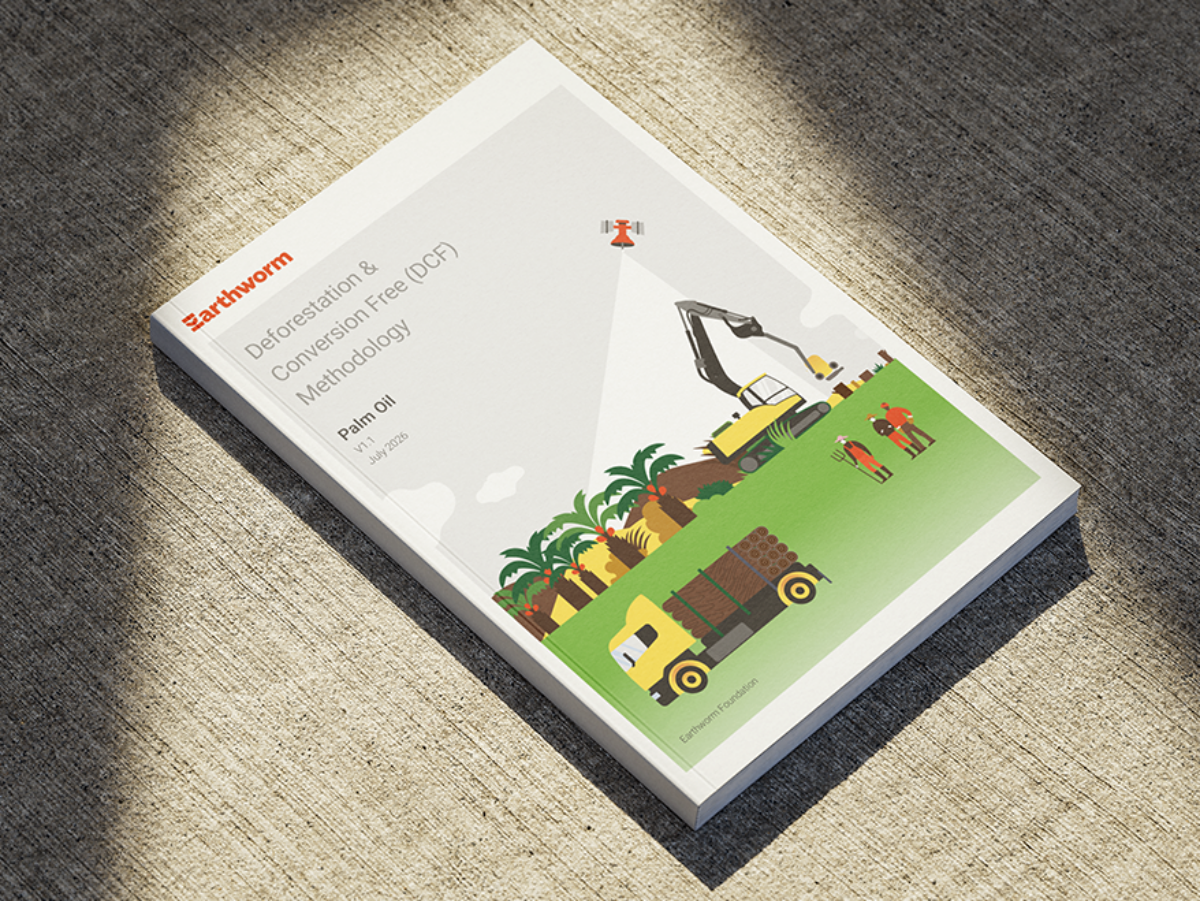
Explore how Earthworm assesses and reports DCF performance, from the evidence we collect to the implementation pathways and reporting principles that guide our approach.
Complete the form below to download the DCF Methodology for Palm Oil (Version 1.1)
If you have questions about the due diligence requirements, let's talk!