Share


Share

The Manifesto represents a collective commitment by stakeholders to ensure soy supplies are not linked to deforestation or ecosystem conversion practices.
In November 2018, France published the National Strategy against Imported Deforestation (Stratégie Nationale de lutte contre la Déforestation Importée, SNDI) to end the import of unsustainable forest or agricultural products contributing to deforestation, including soy, by 2030.
As soy is present in supply chains through animal feed, many actors in the sector have been mobilising to identify solutions and achieve the objective of responsible soy sourcing.
Faced with the observation that deforestation/conversion in Brazil is growing at worrying rates, particularly in the Cerrado biome, a shared reflection has emerged: only by mobilising all stakeholders will it be possible to guarantee that imported soya is linked neither to deforestation nor to the conversion of natural ecosystems.
Thus, at the end of 2020, market players (retailers, industrials, NGOs) joined forces to make a joint commitment to put an end to deforestation and conversion practices for the production of soy. This alignment was made through the signature of a Manifesto 'for a mobilisation of French actors to fight against imported deforestation linked to soy'.
The Manifesto was updated at the end of 2022 to guide signatories in implementing their commitments. Concrete solutions for managing the risk of deforestation-conversion related to soy have been added.
Furthermore, beyond the entry into force of the European Deforestation-Free Regulation (EUDR) in June 2023, the Manifesto remains a crucial commitment for the entire supply chain. It goes beyond regulatory requirements, particularly by addressing the prevention of the conversion of other ecosystems threatened by soy production, such as the Cerrado, in addition to deforestation.
By committing to the Manifesto, signatories are thus anticipating future regulatory obligations that will be imposed on them when the text comes into effect on 30 December 2024.
Earthworm has been commissioned to coordinate the initiative among the signatories and ensure the implementation of the commitments through working groups.
The Manifesto aims to unite as many players as possible (industrials, feed producers, traders, etc.) around the same commitments, in order to shift the market towards responsible soy, outside the traditional certification schemes. This is a voluntary approach, which is intended to be common. The principle is based on the adoption of the same commitments and similar criteria, which are then cascaded up the value chain to the place where the soy is produced.
Responsible soy is defined as soy that meets the expectations of the SNDI, i.e. where physical control ensures that imported soy is not linked to legal or illegal deforestation and conversion practices, based on the cut-off date of 1 January 2020 at the latest.
The ZDC (Zero Deforestation and Conversion) methodology, developed by Earthworm and recognised by the signatories of the Manifesto, allows importing of soy into the country that meets the expectations of the SNDI.
In addition, the SNDI platform has published a dashboard for assessing the deforestation/ conversion risks associated with French soy imports. This tool makes it possible to check the risk exposure of soy.
Finally, this approach is intended to be extended to the European level: we are in dialogue with and encourage other European countries to develop similar initiatives, based on the same commitments and equivalent tools, so that the impact applies to all soy imports into the European Union, and not just to France.
The main commitments, common to all stakeholders, are the following:
Many companies have decided to support the initiative by signing the Manifesto. The diversity and the number of signatories ensure that the commitments are operationalised throughout the supply chain.
To date, 30 companies and NGOs have signed the Soy Manifesto.
17 industries
9 retailers
1 Animal Feed manufacturer
3 NGOs
The signatories are encouraged to communicate their commitments more effectively, develop a policy and action plan associated with these commitments, mobilise all actors in the value chain, and support the import of soy that is guaranteed to be unrelated to deforestation and conversion.
Actions carried out (via the dedicated Working Group or individually):
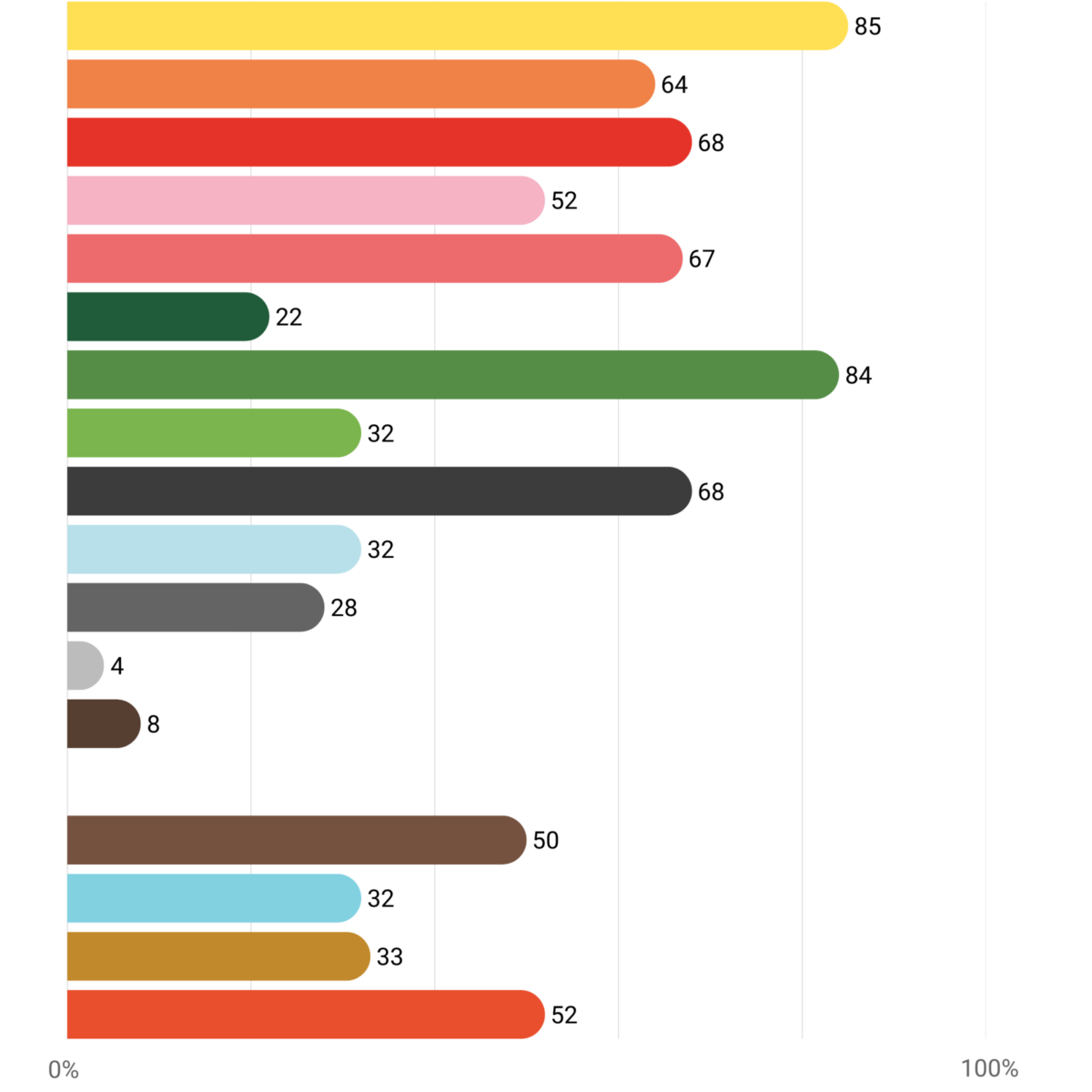
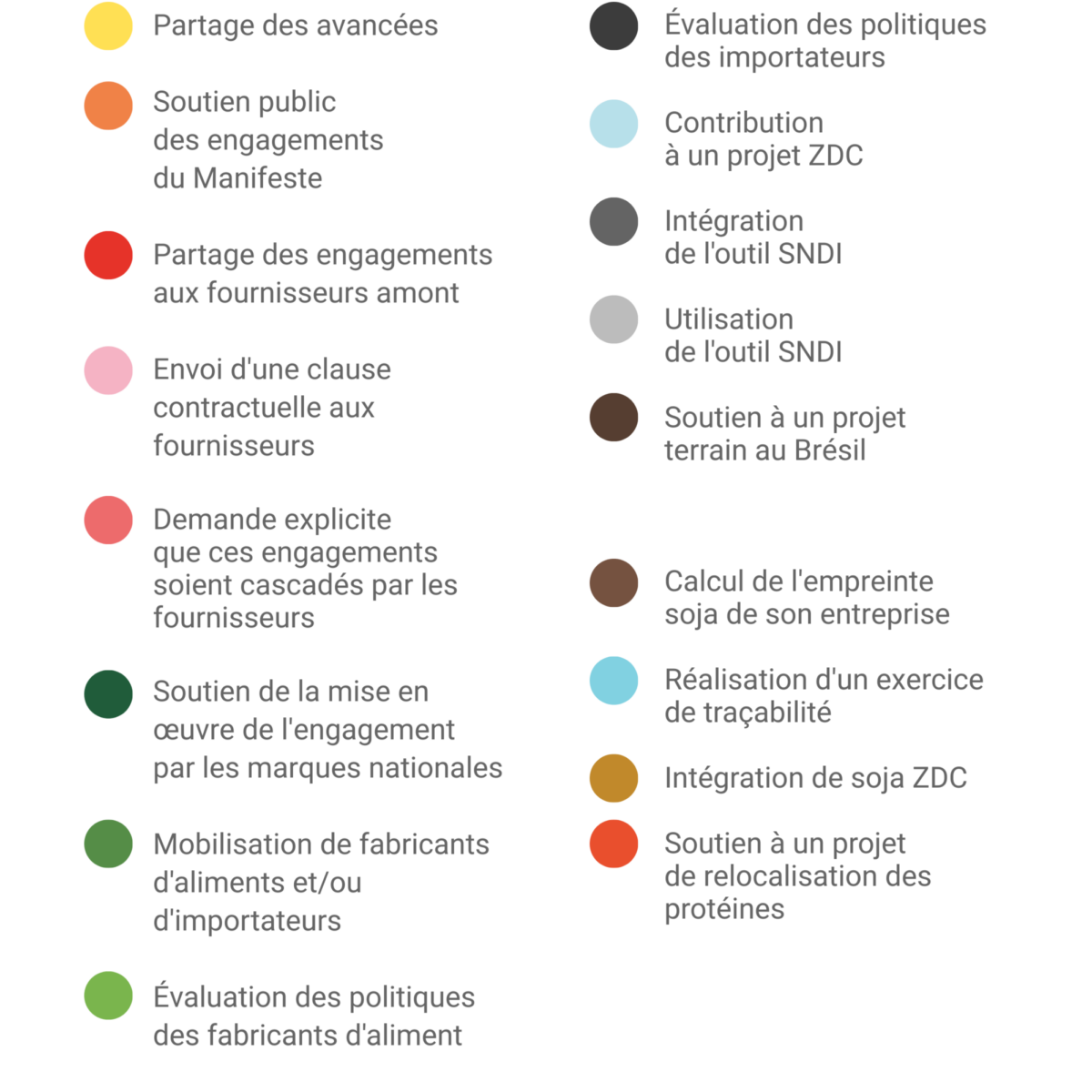
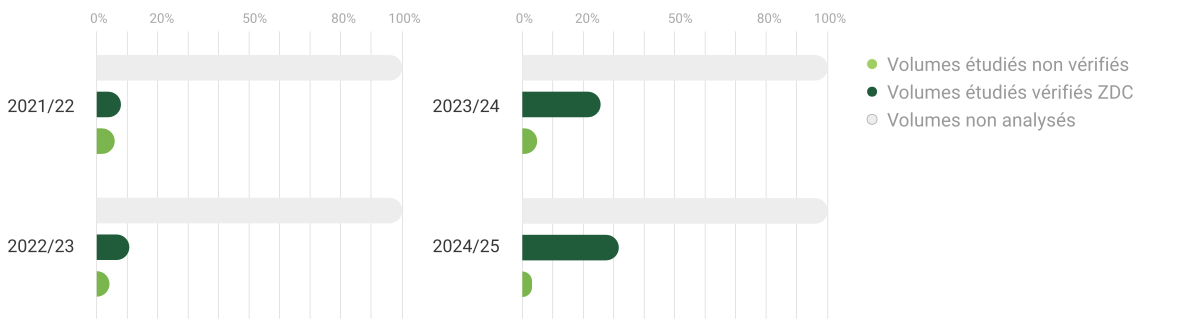
In 2025, 2 million tonnes of soybeans imported into France were verified as ‘zero deforestation and zero conversion’ using the ZDC methodology. This corresponds to:





These projects demonstrate that the ZDC methodology is a deployable and operational approach, enabling the verification of the compliance of physical flows of imported soybeans with the requirements of the manifesto.

Reducing dependence on imported soy starts with strengthening local alternatives. ProteiSol is helping farmers in Hauts-de-France develop a more sustainable legume feed industry—reducing pressure on global soy supply chains while benefiting local ecosystems. Learn how this ties into our broader work on responsible soy sourcing.
For more information
For any questions regarding the Manifesto, please
call Earthworm France on +33 3 20 31 63 39
email the project coordinator Jeanne Delor: j.delor@earthworm.org
