In Indonesia's East Kalimantan province, communities are strengthening their ability to prevent and respond to forest and land fires. Through the Sustainable Living Village programme, Apical and Earthworm Foundation are working with local partners to turn early warnings into practical action on the ground.
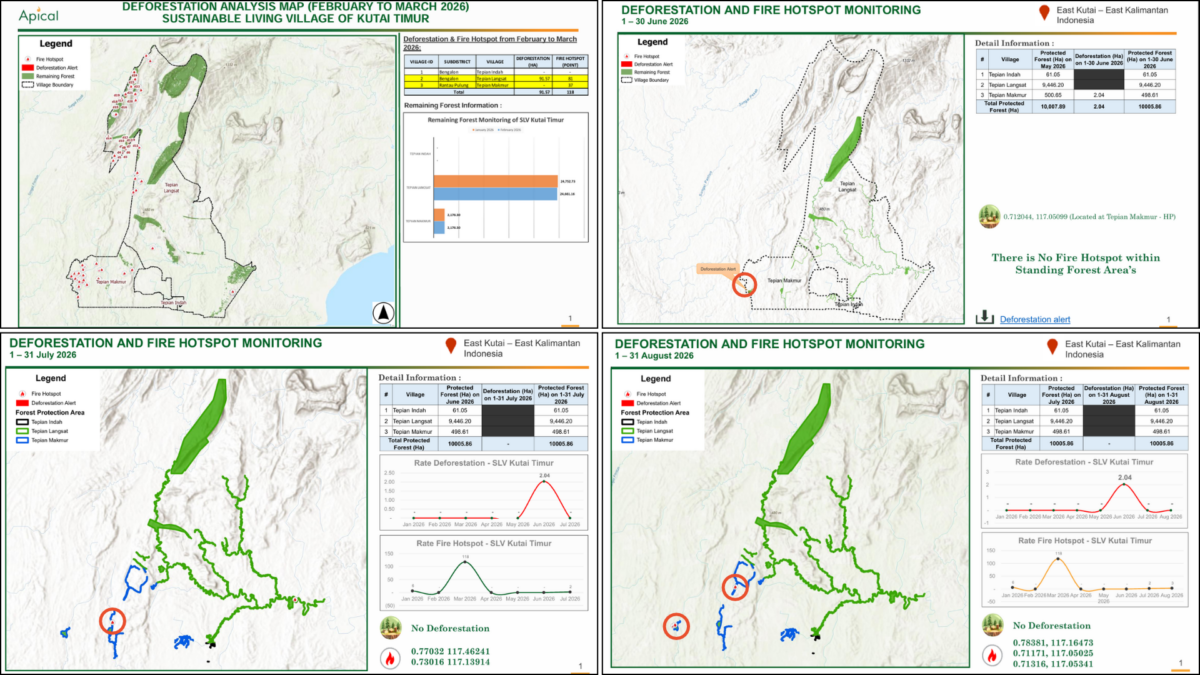
A satellite can detect a potential fire hotspot. But knowing where it is and reaching it in time are two very different challenges.
In Tepian Makmur, a village in East Kalimantan's East Kutai District, poor road conditions and difficult terrain can delay teams responding to satellite alerts. By the time they reach a location, the fire may have subsided, and those responsible for the burning may have already left.
"One of the challenges we often face is poor road conditions and difficulty finding routes to the locations identified. Delays in receiving information are another obstacle," explained Teguh, East Kalimantan Field Programme Coordinator at Earthworm Foundation Indonesia.
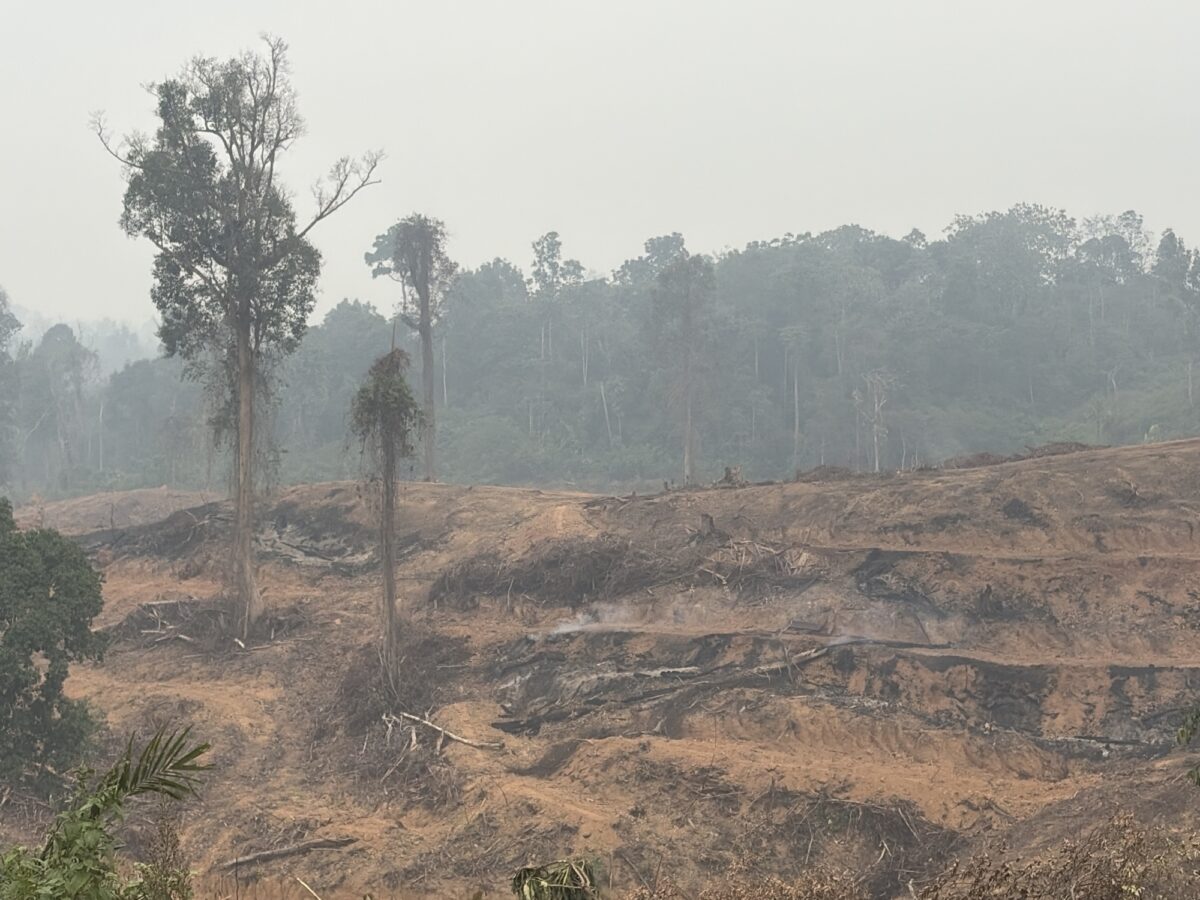
Land clearing by burning remains a concern in the area. Fires can spread beyond their intended boundaries, damaging forests, threatening livelihoods and exposing surrounding communities to harmful haze.
Satellite monitoring helps identify potential hotspots and changes in land cover, but alerts alone cannot prevent fires. They need to be followed by timely verification and action on the ground. For communities living closest to these risks, being prepared to respond can make an important difference.
When Communities are the First Responders
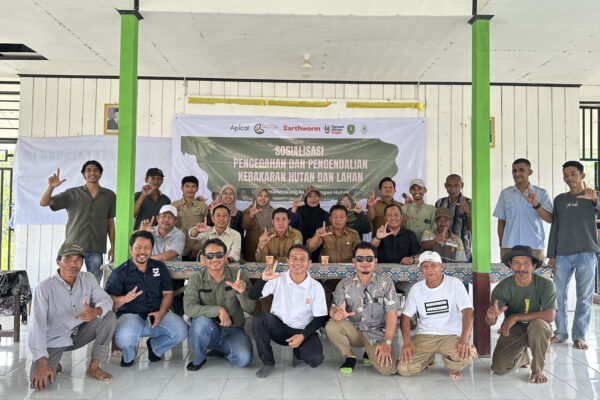
On 14 September 2026, 35 people gathered at Tepian Makmur Village Hall for a training session on forest and land fire prevention and initial response.
Organised through a collaboration between Apical, Earthworm Foundation, the Bengalon Production Forest Management Unit (KPHP Bengalon) and the Tepian Makmur Village Government, the session brought together village officials, community leaders, farmers and members of the village's ‘Peduli Api’ fire volunteer team.
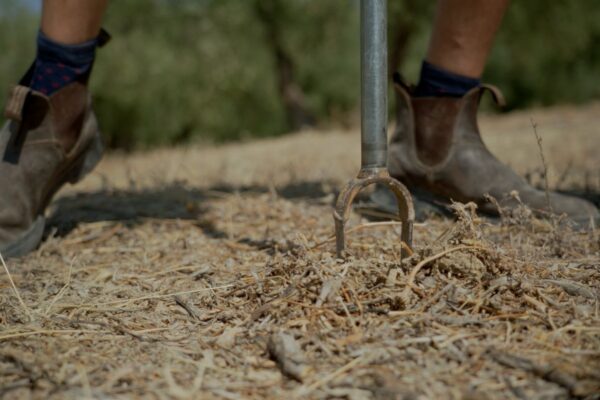
Participants learnt how to recognise early warning signs, operate firefighting equipment, create firebreaks to help contain fires and respond when a potential fire is detected.
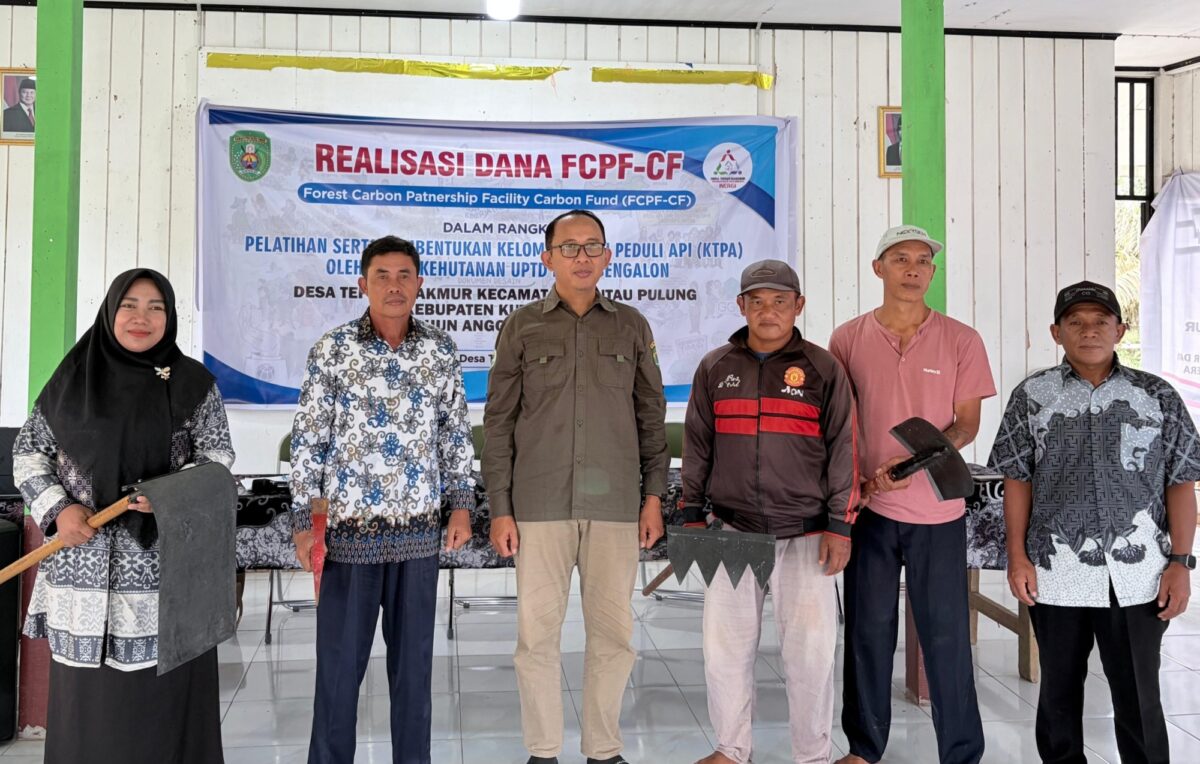
The training built on existing village efforts to discourage land clearing by burning, including awareness campaigns and public information banners.
"We are committed to keeping Tepian Makmur Village free from haze caused by forest and land fires. Through this awareness-raising session, we are encouraging the community, particularly farmers, to stop clearing land by burning. We are also strengthening the role of local volunteers so they are ready to respond promptly if a fire breaks out," said Suharto, Head of Tepian Makmur Village.
The aim is to strengthen the community's capacity to recognise risks and take appropriate early action, complementing satellite monitoring and the work of field teams.
Finding Alternatives to Burning
Preventing fires is not only about responding when they occur. It also means addressing why fire is used to manage land in the first place.
During the training, Abdul Mutalib, Senior Forest Ranger at KPHP Bengalon, introduced participants to practical alternatives to open burning.
One approach involves making use of biomass waste, such as leftover vegetation and other organic materials, rather than burning it in the open.
Through a process called pyrolysis, organic material is heated with a limited supply of oxygen. This can produce useful materials, including charcoal briquettes that can serve as an alternative fuel and liquid smoke with potential applications in pest management. Organic waste can also be composted to help improve soil fertility.
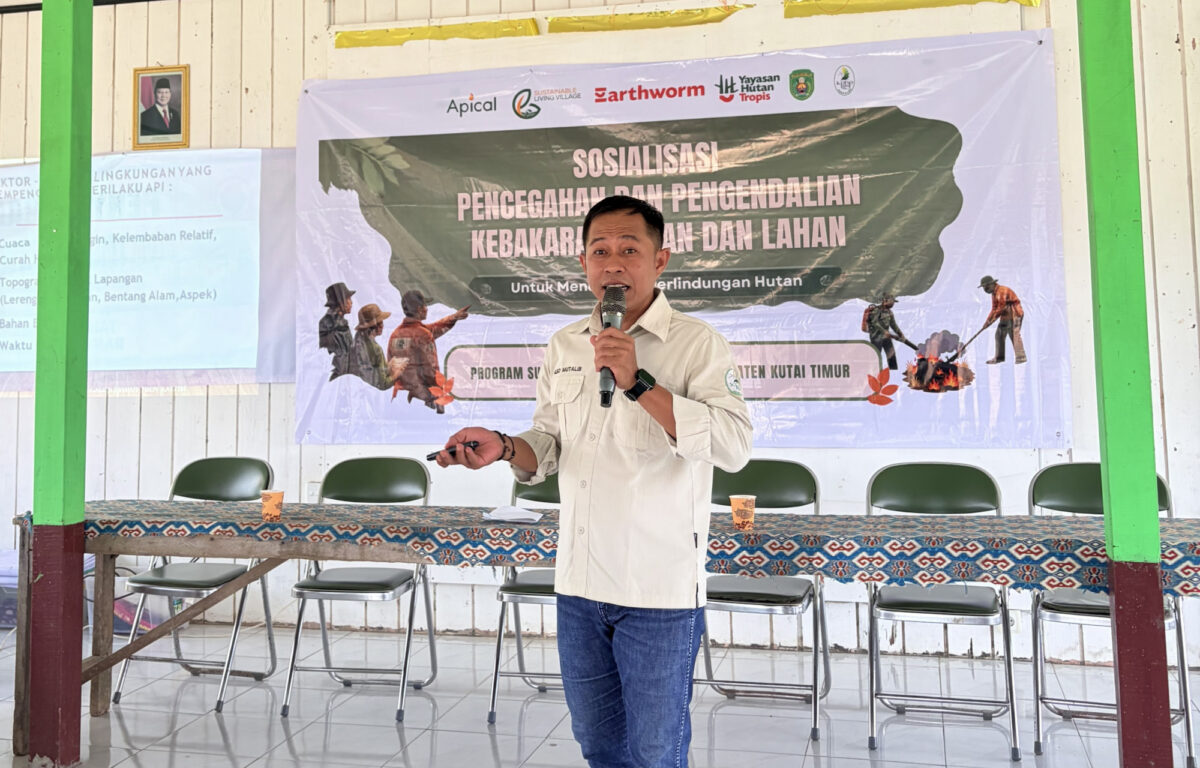
These approaches offer ways to make better use of agricultural waste, potentially reducing the need for open burning while creating opportunities for additional income.
Participants also explored land preparation techniques that do not require fire. These include manually cutting back vegetation on previously cleared land and planting crops in rows or strips, reducing the need to clear entire areas.
While the training introduced these possibilities, their longer-term value will depend on whether communities can adopt practices that are practical, affordable and suited to local conditions.
Building Resilience Beyond One Training Session
The September training is part of a longer-term effort to strengthen livelihoods and protect the surrounding landscape. Since 2024, Apical and Earthworm Foundation have been implementing the Sustainable Living Village (SLV) programme in three East Kalimantan villages: Tepian Makmur, Tepian Indah and Tepian Langsat.
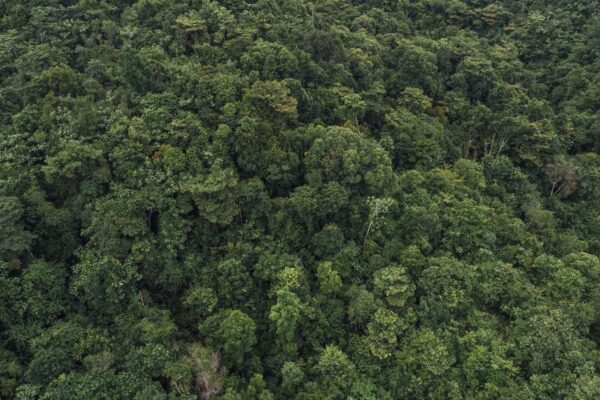
Running until 2029, the programme brings together community development and environmental protection, with activities including forest patrols, conservation boundary marking, native tree planting and support for community-based forest management.
The permit provides a legal basis for the group to manage the designated forest area and represents an important step towards developing agroforestry as an alternative source of income.
Together, these activities reflect a broader approach to forest protection: supporting communities with the knowledge, resources and opportunities to manage the landscapes they depend on.
"Through the Sustainable Living Village programme, we want to deliver benefits that respond to local needs by strengthening people's capacity to protect their environment and respond to risks in their surroundings," said Agus Wiastono, CSR Manager at Apical.
"Preventing forest and land fires requires communities to be prepared, as well as strong collaboration between the village government, KPHP Bengalon, Earthworm Foundation and local communities," he added.
From Preparedness to Lasting Action
The work in Tepian Makmur does not end with a single training session. Earthworm Foundation and its partners plan to support further activities to strengthen community preparedness in the village, with similar training envisaged for other programme villages facing fire risks.
"We also plan to facilitate similar training for other programme villages facing fire risks. We hope these efforts will help communities to take greater care of their environment and be better prepared to prevent and respond to forest and land fires," said Bahrun, East Kalimantan Programme Manager at Earthworm Foundation Indonesia.
For communities living alongside forests, preventing fires requires more than detecting hotspots. It depends on local knowledge, practical skills, accessible tools and cooperation between those responsible for protecting the landscape.
In Tepian Makmur, these efforts are helping build the foundations for a community better prepared to protect its forests, livelihoods and the place it calls home.