Share


Share
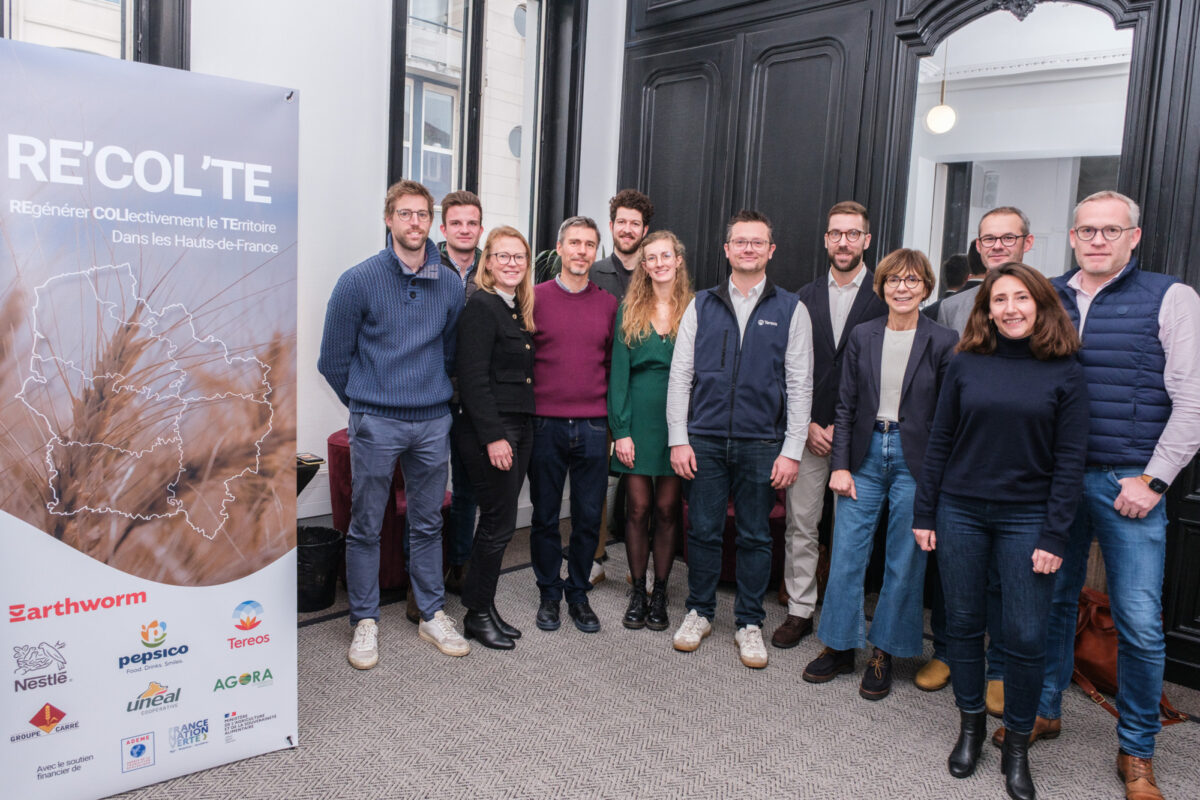
RE’COL’TE brings together the key links in the agricultural supply chain, from producers to buyers, around a shared goal: to regenerate soils and strengthen the region’s resilience.
The Hauts-de-France region is one of France’s major agricultural areas: 68% of the region’s territory, or 2.1 million hectares—is devoted to agriculture, making the region a pillar of national food production. But this territory, which is both fertile and intensively farmed, is also particularly vulnerable to the effects of climate change. For example, the risk of water erosion is among the highest in France: the region faces a “moderate to very high” erosion risk across much of its territory, due to fragile, permeable soils that are easily prone to runoff. To address these challenges, RE’COL’TE brings together the key links in the agricultural chain, from producer to buyer, around a common goal: to regenerate the soil and strengthen the region’s resilience.
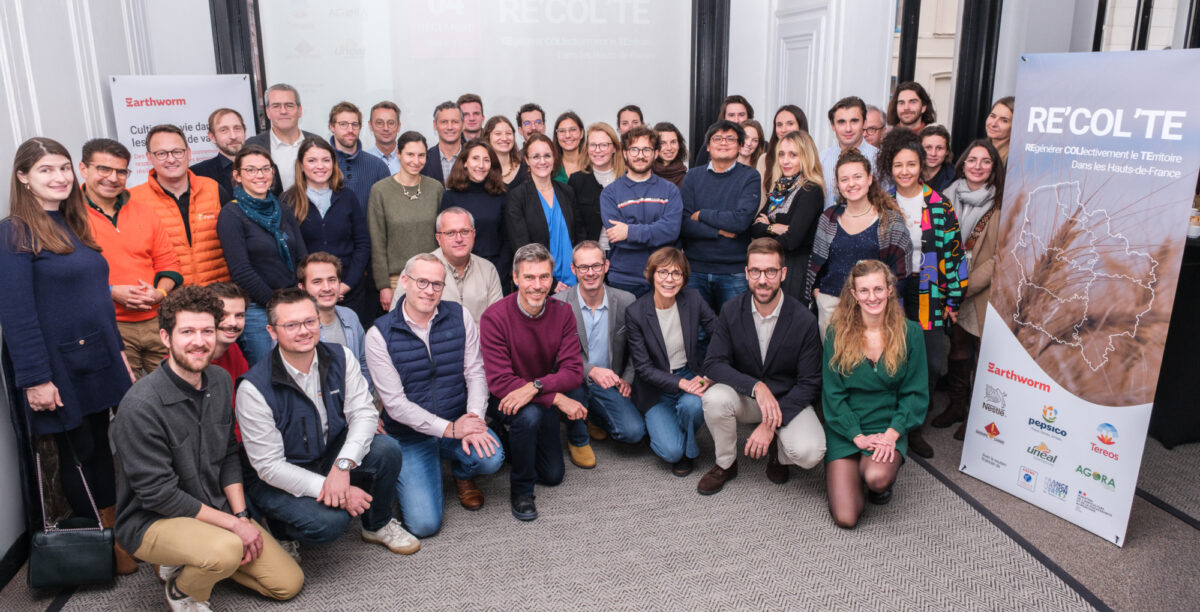
Launched on December 4, 2025, and led by the Earthworm Foundation, the companies Nestlé and PepsiCo, as well as the cooperative Tereos, the grain cooperatives Agora and Unéal, and the grain trading company Groupe Carré, RE’COL’TE is a public-private partnership aimed at initially supporting 175 farmers in the Hauts-de-France region in their transition to agricultural practices that regenerate soil health and protect the environment. With a total budget of 1.5 million euros, including 500,000 euros in public funding, this project draws on financing from ecological planning funds managed by the Agency for Ecological Transition (ADEME) and the founding partners.

Conducting a regional assessment of the agricultural transition in response to climate change
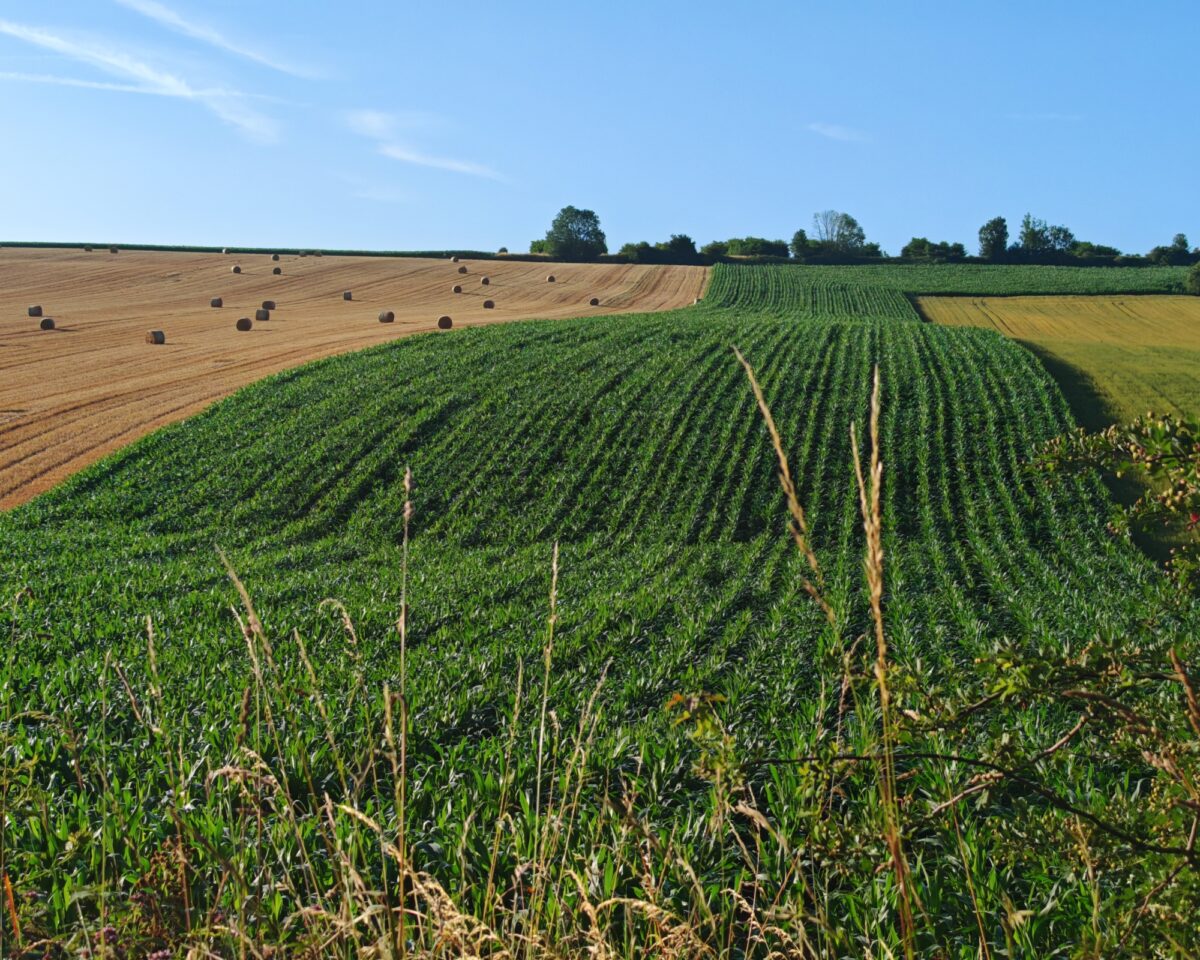
Building on the Sols Vivants program, launched in 2018 by the Earthworm Foundation, RE’COL’TE aims to scale up regenerative agriculture in the Hauts-de-France region. It takes an integrated approach that combines measurement, support, and promotion.
Agronomic and environmental performance indicators are tracked at the farm level using the Agriboussol framework, developed by the Earthworm Foundation with the support of a scientific committee.
Teams from Earthworm and those from partner cooperatives and traders jointly collect field data to assess farm performance based on several criteria: duration of soil cover, humified carbon returned to the soil, nitrogen self-sufficiency and balance, crop diversity, and the presence of agroecological infrastructure.
Agricultural technicians and advisors from partner cooperatives and trading companies are trained in regenerative agriculture to support farmers throughout their transition.
Each farmer, with the support of their agricultural advisor, develops an individual action plan.
Group workshops and on-site training complement this support to encourage the sharing of experiences and strengthen local expertise.
Farmers will receive additional payments based on the results achieved over the years
The commitment of the various sectors enables the delivery of a unified message from downstream stakeholders, ensures economic support to cover the additional costs of the transition for the various crops in the rotation (wheat, corn, rapeseed, sugar beet), and optimizes measurement and support costs through cooperation among stakeholders across multiple crops.
Farmers’ total income increases, while project costs are shared.

“Nestlé France is proud to have been involved in the Sols Vivants program since 2018. With the RE’COL’TE collaborative project, we are embarking on a new phase to promote regenerative agriculture in the Hauts-de-France region and build a more sustainable model for our supply chain alongside key industry players.”

“This project reflects our commitment to promoting sustainable agricultural practices and actively contributing to the regeneration of local ecosystems.”

“Through RE’COL’TE, our cooperative is contributing to a new regional and community-based initiative designed to support farmers’ transition to more resilient and profitable systems. This initiative is helping to drive the growth of our commercial offering, Cultivate Net Zero, which was launched in recent months.”

“This project embodies the ambition of ADEME and the Ministry of Agriculture and Food Sovereignty to expand support for farmers in addressing the challenges of climate change.”
“As a committed regional player, we see RE’COL’TE as an exciting opportunity to pool local resources to accelerate the agroecological transition. It is by bringing together the efforts of our farmer clients, partners, and local communities that we will be able to build a sustainable model.”
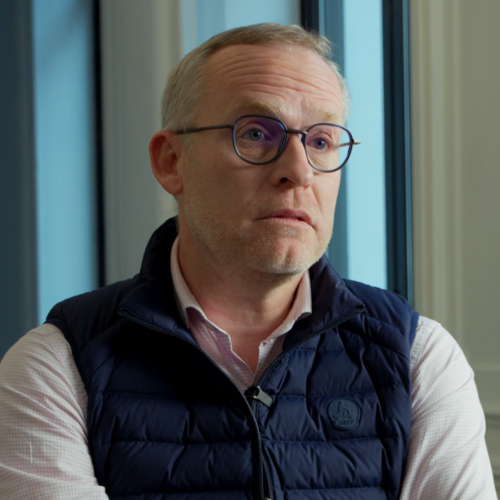
“The RE’COL’TE collective project is fully aligned with our agroecological strategy. It aims to support our member farmers in their transition by accelerating progress through strong partnerships. This approach helps ensure the successful adoption of new practices while promoting the long-term sustainability and performance of farms in our region.”
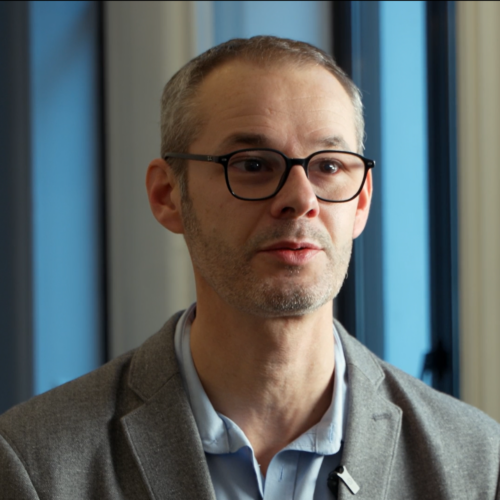
“Climate change is forcing farmers to rethink their farming practices, particularly when it comes to soil regeneration. This is a collective challenge that requires us to rethink our support approach across multiple sectors and using new indicators. This is the purpose of the RE’COL’TE project, which draws on the experience of SOLS VIVANTS and is part of our CSR strategy.”
Contact
Coline Decourcelle
Raphaël Lefebvre