Share


Share
Harmonising sustainable economic development, forest conservation, decent work opportunities and resilient livelihoods for communities, anchored in a farmer-centric landscape model.

The state of Sabah has among the most biodiverse forests in the world. It is home to Bornean Pygmy Elephants, Orangutans, Rafflesia flowers and many other species. The state also has about 1.5 million hectares of planted oil palm plantations. This makes it the second largest planted area in the country. The palm oil sector also relies heavily on a migrant workforce, who often live with their families in plantations. Over 30,000, independent farmers live in Sabah, who are dependent on their land and oil palm trees for their livelihoods.
Earthworm has been working in Sabah since 2011; engaging oil palm farmers, mills and plantations to address issues like smallholder resilience, biodiversity conservation and workers' welfare. In 2021, this work transitioned to a landscape programme. The goal of the Sabah Landscape programme is to harmonise sustainable economic development, forest conservation, decent working opportunities and community livelihoods, anchored in a farmer-centric landscape model. The landscape area encompasses Beluran, Paitan, Kinabatangan, Lahad Datu, Telupid and Tongod districts.
The project is systematically monitored and evaluated on a quarterly and an annual basis, using Earthworm’s Global Impact Framework Tool (GIFT).

69 mills have developed NDPE action plans, strengthening responsible sourcing across the landscape. 47 mills have achieved full traceability to plantation, improving supply chain transparency.

15,939 hectares are managed under the Human–Elephant Coexistence programme through community-led actions. Deforestation trends show early signs of stabilization, with a slight decrease observed since 2021.

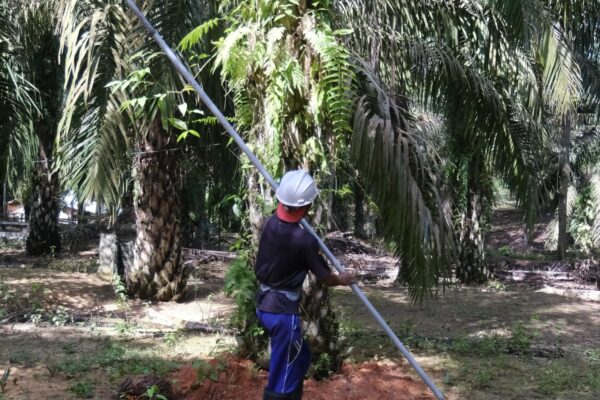
5,007 farmers have been reached through capacity building, field support, and regenerative agriculture initiatives. Over 1,000 farmers are actively implementing improved practices and livelihood diversification.

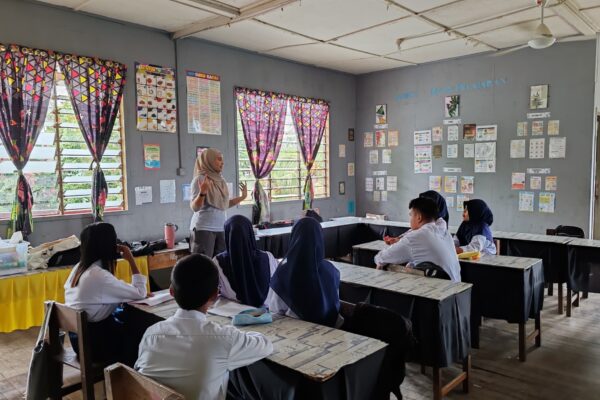
8,271 workers have benefited from improved labour practices through engagement with companies. 2,222 children have been supported through child protection and education initiatives in plantation areas.
Field Partners

Sabah Landscape Manager

Project Area Lead - Telupid and Tongod

Project Area Lead - Kinabatang and Lahad Datu

Project Manager - Social and Human Right

Project Lead - Social and Human Right

Project Lead - Forest and Environment

Project Area Lead - Beluran and Paitan

Project Lead - Forest and Environment

Project Coordinator - Social and Human Right
Beyond our on-the-ground field teams, our technical specialists in Malaysia play a pivotal role in supporting and advancing the landscape initiatives.

Sabah is one of the key ecosystems where Earthworm Foundation works through its landscapes approach.
Click on the icons to learn more about Earthworm's work on the commodity: