Share


Share
Balancing production, forest conservation, sustainable livelihoods, and good social and labour practices at scale.

Aceh is home to the highly biodiverse Leuser
Ecosystem, frequently referred to as the “Last Place on Earth.”
It is indeed the last place on Earth where orangutans, tigers,
elephants, and rhinoceros are found to coexist. The Leuser Ecosystem is
also home to some of the world’s last old-growth tropical forests and
significant areas of peat soils that serve as important carbon sinks.
There are challenges present in the Aceh Landscape that require collective action. Earthworm works to leverage existing relationships with multinational consumer goods companies who source raw materials from these areas. These companies can prove highly effective in motivating suppliers to change their land use and supporting rural communities to identify alternative sources of income.
Aceh landscape is included in the Consumer Goods Forum – Forest Positive Coalition listing and is positioned to contribute to its Landscape Strategy. It is also featured on SourceUp, an online platform that connects buyers and stakeholders in agri-commodity supply chains with landscape and jurisdictional initiatives in production areas.
The project is systematically monitored and evaluated on a quarterly and an annual basis, using Earthworm’s Global Impact Framework Tool (GIFT).

3 Collective Action Plans have been implemented through district-level sustainability processes in Subulussalam, Aceh Singkil, and Aceh Selatan. NDPE-relevant considerations have been increasingly embedded into district planning and regulatory instruments, while multi-stakeholder forums have become operational coordination platforms in the three districts.

A total of 110,602.71 hectares have been identified for protection through Participatory Land Use Planning (PLUP) across 39 villages in Subulussalam, Aceh Singkil, Aceh Selatan, and Aceh Tenggara. Of these, 87,668.22 hectares are now formally protected through 33 village regulations (PERDES). In addition, 10,180 hectares inside concessions are protected by 8 companies. Restoration efforts have also expanded through agroforestry activities in 45 villages, with more than 109,800 seedlings planted across the landscape.

2,397 farmers have been trained in Good Agricultural Practices (GAP) across the Aceh landscape, and 3 out of 3 Farmers’ Business Units (FBUs) have been empowered to strengthen alternative livelihoods. Based on a 2025 survey covering 15% of total beneficiaries, 74% of engaged farmers adopted GAP and 67% started livelihood diversification.

Through participatory mapping and land tenure work, 8 communities have improved their land tenurial status, while 40 additional villages are still in process. This represents an estimated impact on 30,000 people, covering more than 6,200 hectares and involving 45 stakeholders. In parallel, 5 conflict cases have been managed through conflict resolution processes.

2,315 workers have directly benefited from improved working conditions, including access to personal protective equipment, health checks, health coverage, and strengthened labour policies. These improvements have indirectly impacted approximately 5,000 people. 9 companies have been engaged to improve labour practices and working conditions across the supply chain.
Civil society
Engaging local actors, providing capacity building and training and facilitating multi-stakeholder collaboration.
Government
Providing the human resources and operational framework to support the protection of forests and protected areas.
The private sector
Implementing NDPE commitments in their supply chains & participating in landscape-level transformation activities.
Contributors
Donor
Swiss State Secretariat for Economic Affairs (SECO)
Field Partners

Landscape Lead

Aceh Landscape Manager

Forest and Carbon Manager

Social and Engagement Coordinator

Forest Coordinator

Livelihood Coordinator
Beyond our on-the-ground field teams, our technical specialists in Indonesia play a pivotal role in supporting and advancing the landscape initiatives.
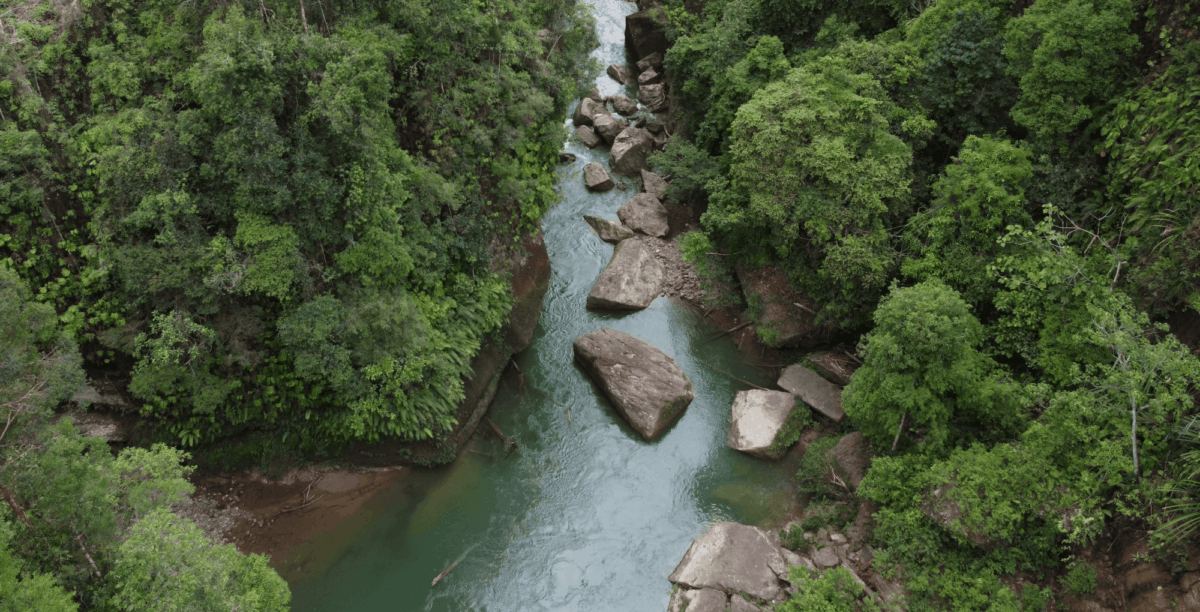
Aceh is one of the key ecosystems where Earthworm Foundation works through its landscapes approach.
Click on the icon to learn more about Earthworm's work on the commodity:


