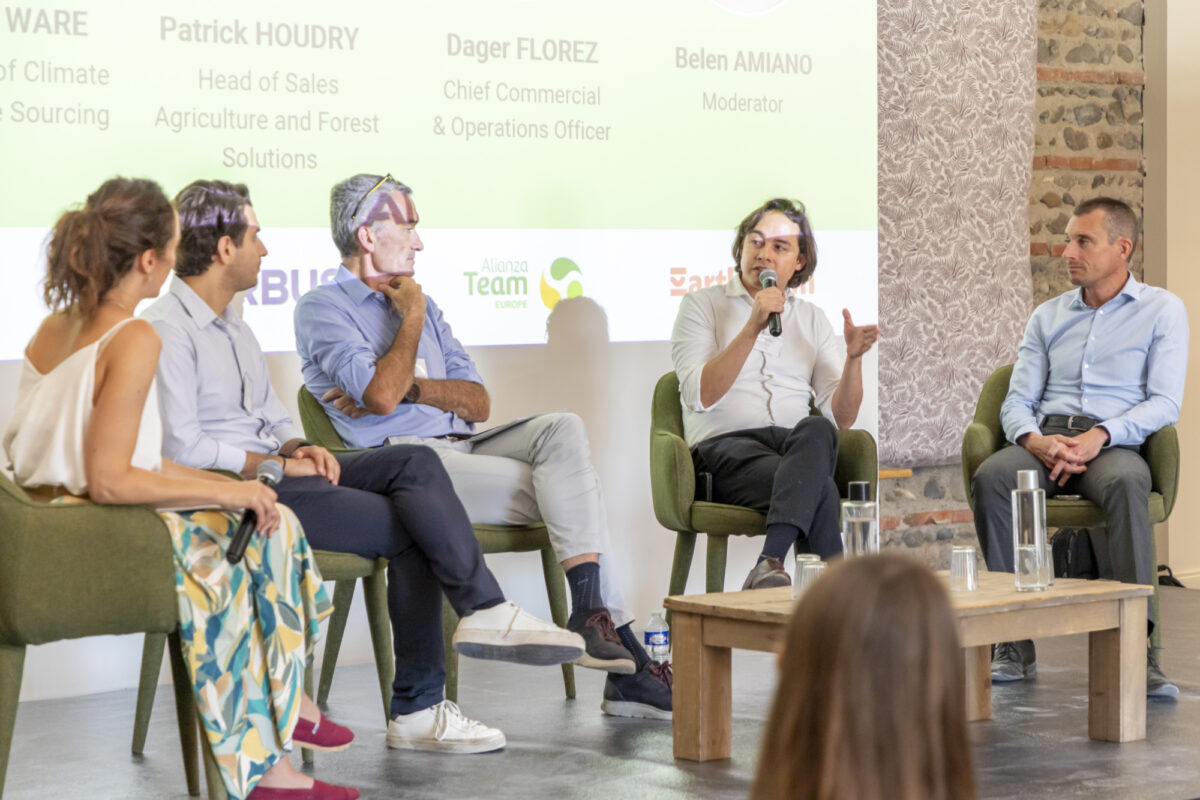
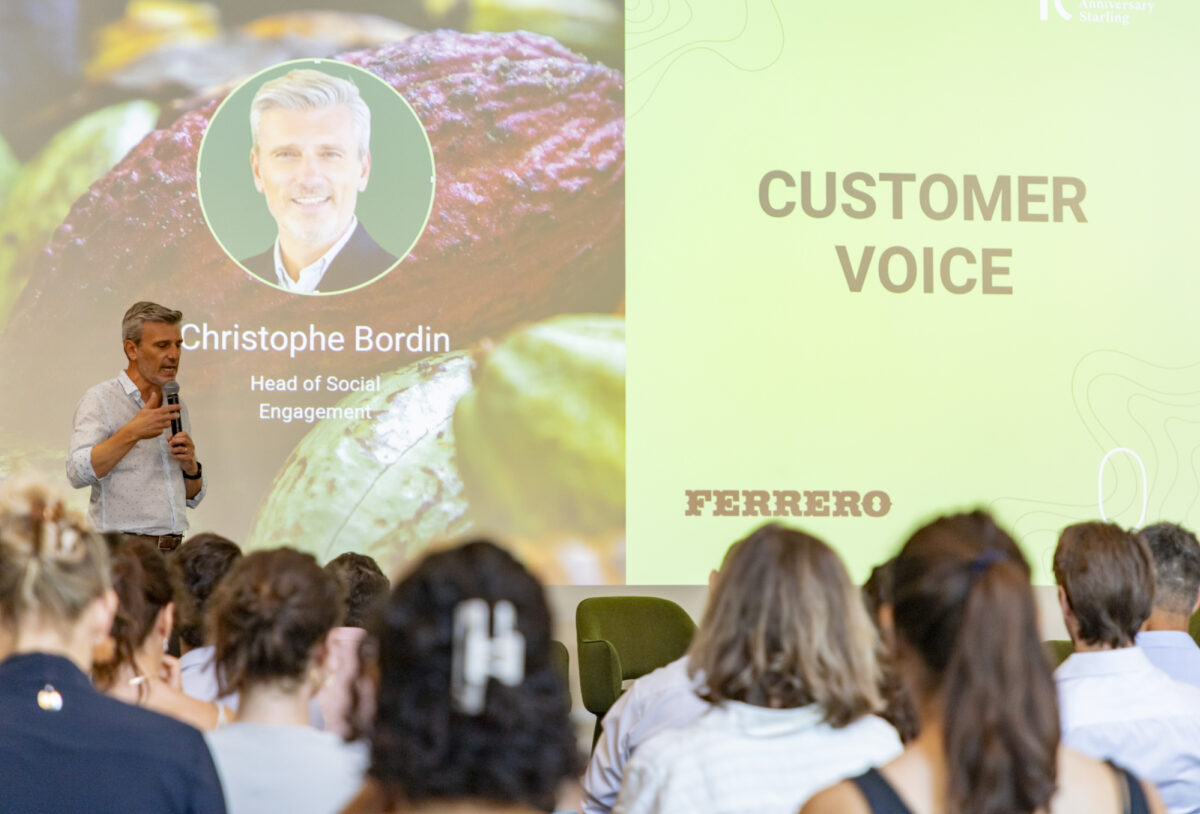
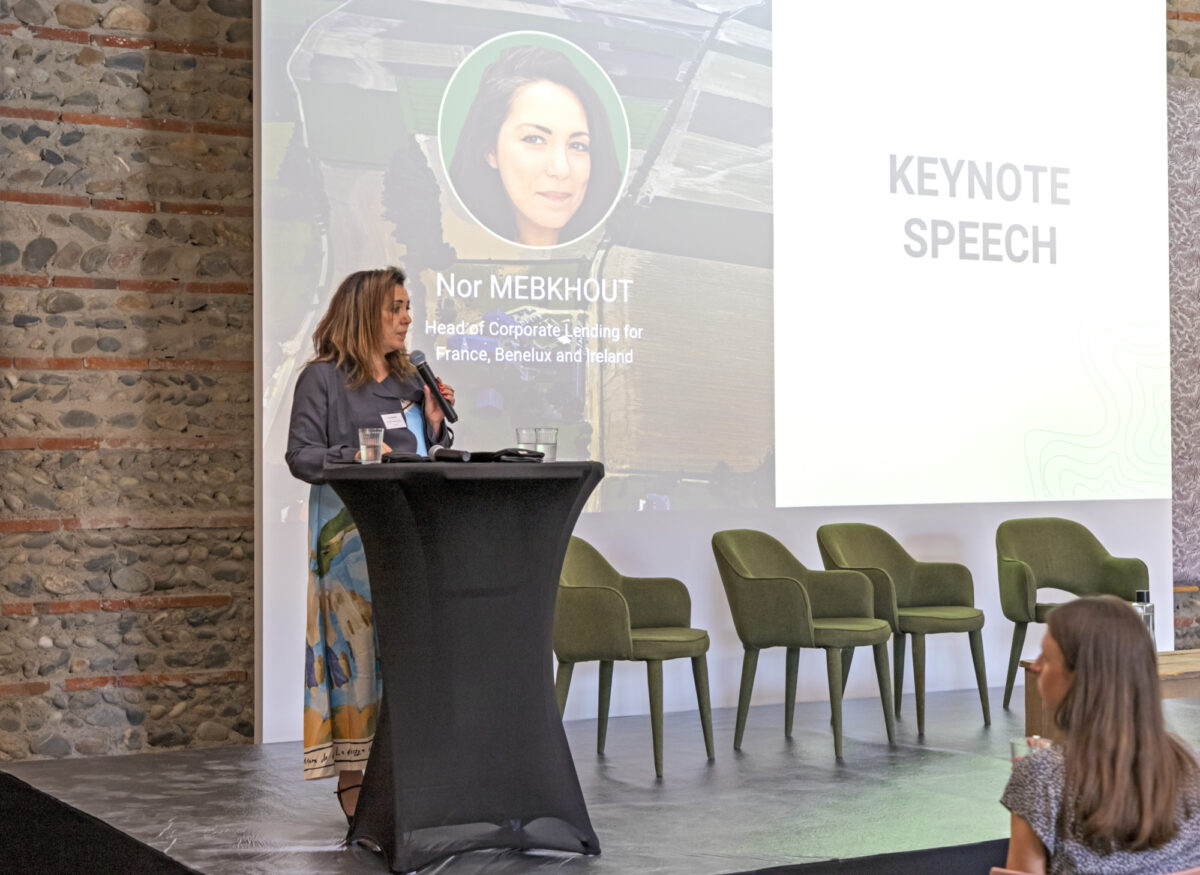
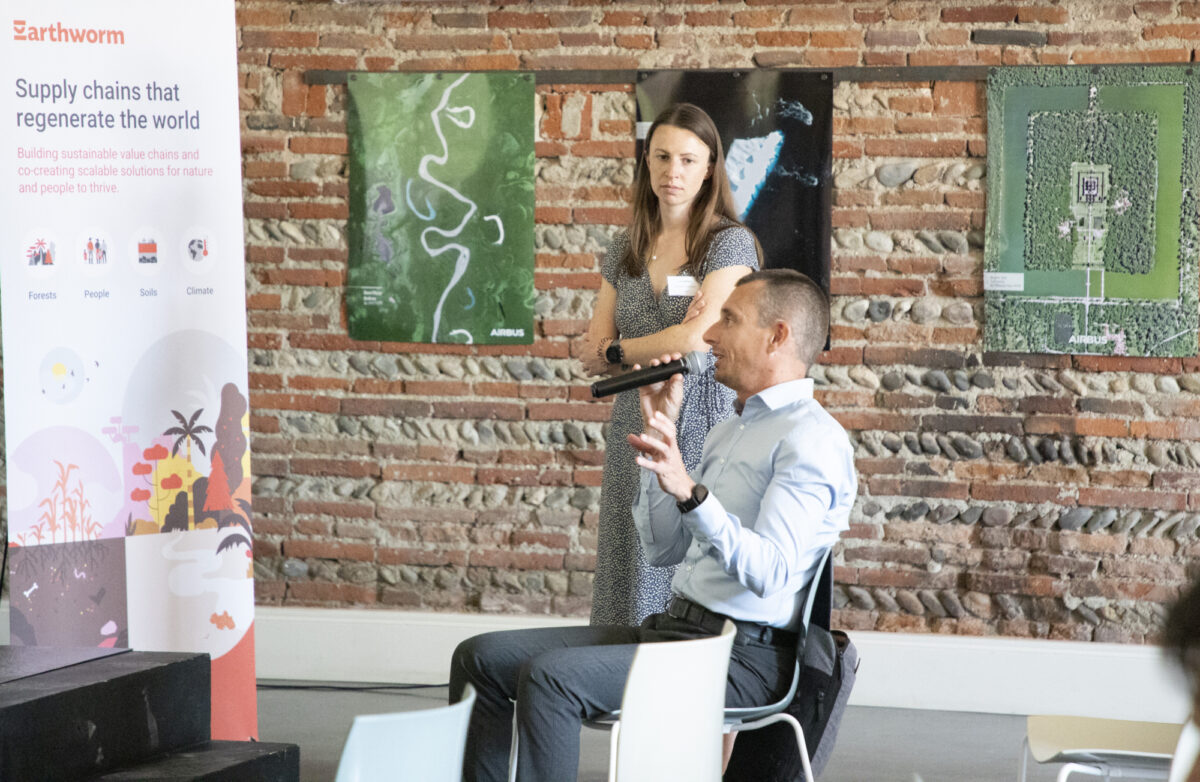
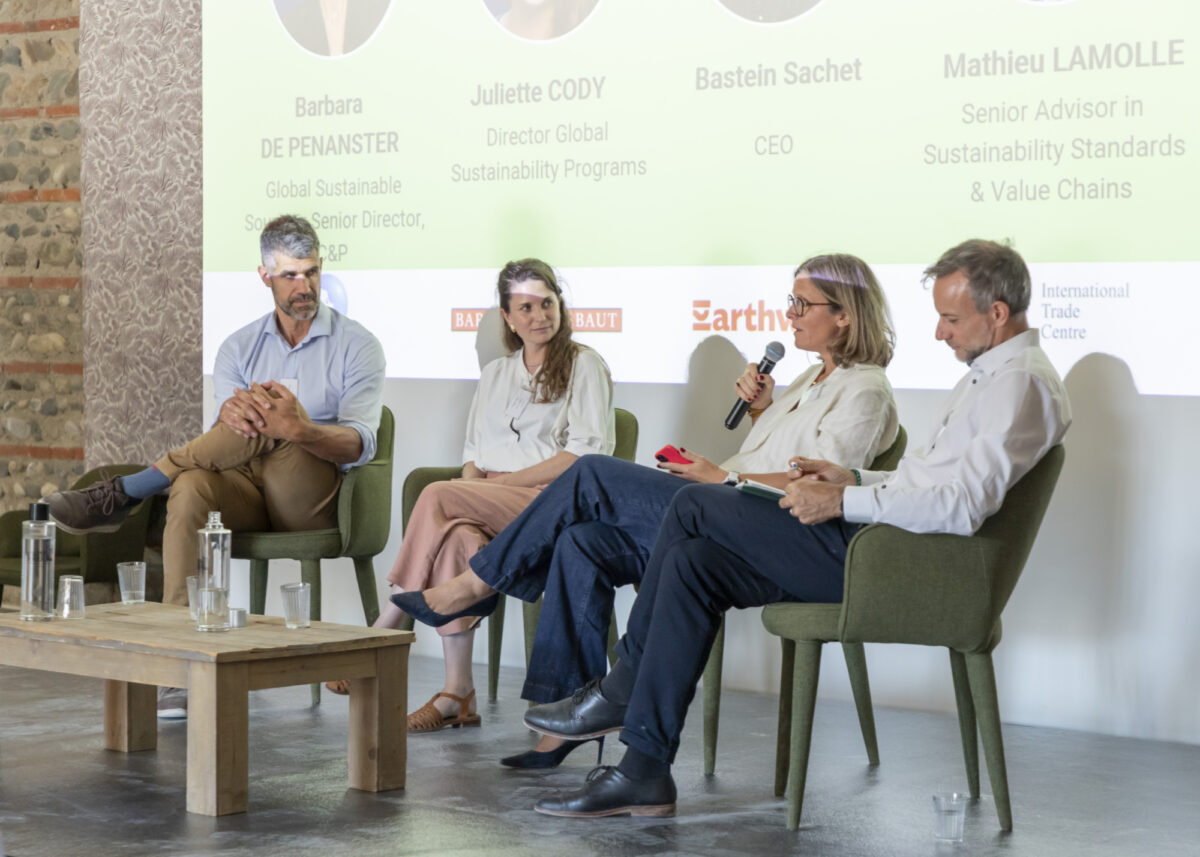
Nyon, Switzerland, 16 July 2026 – Earthworm Foundation and Airbus Defence and Space have marked ten years of Starling at a partner event in Toulouse, France.
During the event, they announced a new phase for the platform as it evolves from a deforestation monitoring tool into a new generation of sustainability intelligence designed for a rapidly evolving global landscape.
Launched in 2016, Starling was designed to address limited visibility into environmental risks across complex sourcing regions. Today, it covers more than 37 countries and monitors over 20 million km² across seven commodities, including palm oil, cocoa, pulp and paper, rubber, coffee, timber, soy, and sugarcane. Over time, it has supported more than 50 companies in identifying deforestation and land conversion risks, strengthening responsible sourcing practices and responding to growing sustainability expectations.
"At Ferrero, the principle of Sacco Conosciuto, our long-standing sourcing approach built on knowing where ingredients come from and how they are produced, has guided us for decades. Today, technologies such as Starling help us bring that approach to life at scale, providing greater visibility into the origins of our key ingredients and supporting more informed decisions across our supply chains." Nicola Somenzi, Head of Responsible Sourcing, Ferrero Group.
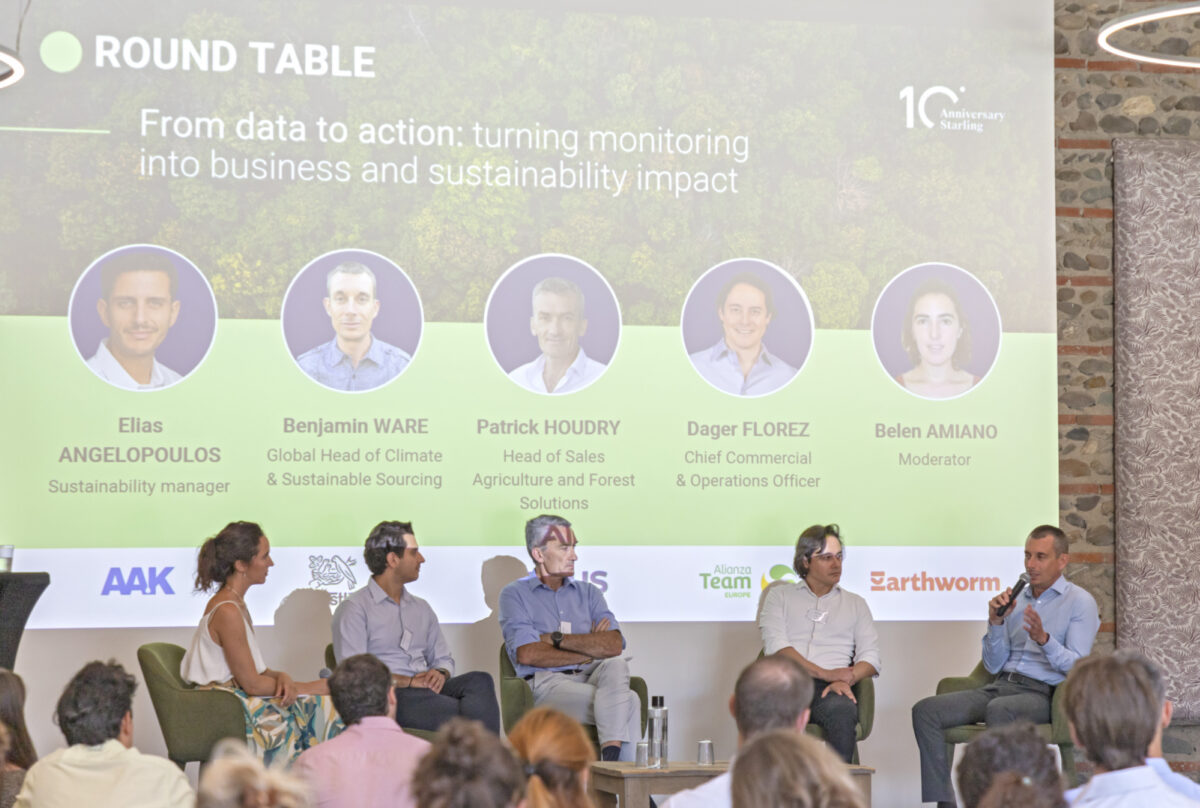
" Ten years ago, we pioneered the use of Starling to connect satellite insights with on-the-ground action. As Starling advances to enhanced resolution and analytics, we look forward to using its expanded capabilities to better target interventions, secure supply, and identify new commodity sourcing origins"- Benjamin Ware, Global Head of Climate & Sustainable Sourcing, Nestlé
Today, however, the challenge facing businesses has shifted. Increasing regulatory requirements, rising climate pressures and ongoing supply chain volatility are pushing companies to move beyond visibility and focus on faster, more informed decision-making.
During the anniversary event, the two organisations reflected on the impact Starling has helped achieve over the last decade and outlined how it is adapting to this new context.The platform is expanding its role to support companies in managing risk, measuring impact and strengthening resilience across their operations.
“Ten years ago, the challenge was visibility. Today, companies need to understand risk, prioritise action and make decisions faster in a much more complex environment,” said Bastien Sachet, CEO of Earthworm Foundation.
The new roadmap presented reflects this shift. Starling is being developed to support four key priorities that are becoming central for businesses worldwide: enabling deforestation- and conversion-free supply chains, supporting net-zero strategies through improved measurement of land-related emissions, strengthening nature-based initiatives, and helping build more resilient production systems.
New capabilities are being introduced to support these needs. These include tools to quantify Scope 3 greenhouse gas emissions linked to land use change and to assess the performance of carbon and restoration projects over time. The platform is also continuing to expand its geographic coverage, increase the number of commodities monitored, and improve the quality and frequency of its data.
A key area of development is usability. New artificial intelligence-driven features are being introduced to make complex datasets more accessible, allowing users to interact with information more intuitively and translate insights into action more quickly.
For Airbus Defence and Space, the shift reflects a broader evolution in the market. “There is more data available than ever before. The challenge remains to ensure that this information is usable and relevant for decision making,” said Michael Chemouny, Vice President Geospatial Business at Airbus Defence and Space.
The ten-year milestone was celebrated by customers and partners from across sectors, with discussions focused on how companies can move beyond monitoring towards more proactive supply chain management. As environmental risks, regulatory demands, and business pressures continue to increase, the role of tools like Starling is expanding accordingly.
Entering its second decade, Starling is positioned to support organisations as they move from understanding environmental risks to actively managing them, to enable more transparent, resilient and climate-aligned supply chains.