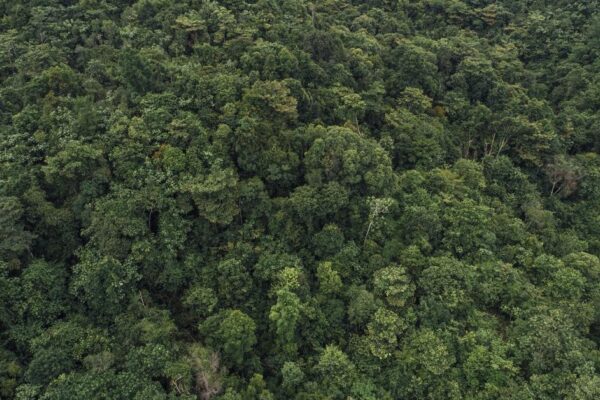
The forested landscape of northern Sweden; vast stands of spruce, pine and birch stretching hundreds of kilometres from the Baltic coast to the high western mountains.
For Sámi reindeer herders, Europe’s only recognised indigenous people, these forests are part of their traditional grazing grounds shaped by seasons, land use, and the availability of lichen.
For the forest industry, they are a source of logs, pulpwood and bioenergy, needed to feed mills that export to growing consumer markets in Europe and beyond. For centuries, reindeer herding and forest industry have co-existed. The transition toward intensive industrial forestry has introduced new pressures to the ecosystem. Notably, studies indicate a 70% decrease in lichen-rich pastures over the last 50 years, creating significant challenges for traditional herding practices as the remaining pockets of natural, old-growth forest face increasing fragmentation.
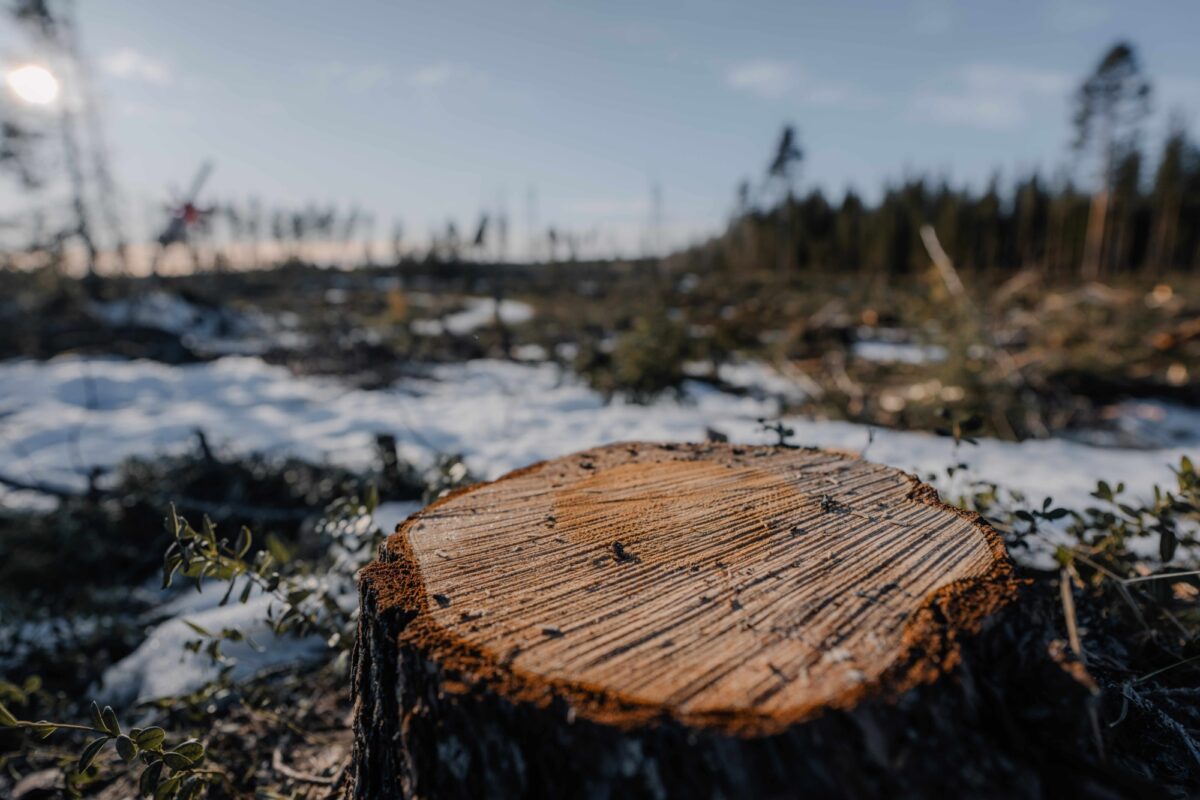
Criticism of the ‘Swedish forest model’ based on clear cutting and intensive production has mounted since the 1970s. In recent years, campaign organisations like Greenpeace and ‘Protect the Forest’ have looked beyond Sweden to focus on large consumer goods companies that source paper-based packaging in Northern Sweden (~80% of production is exported). They continue to raise concern about large-scale logging of old forest that has never before been clear-felled (estimated at 26,000 hectares every year). These old forests often have high conservation values, store large volumes of carbon, and are critical lichen-rich grazing grounds for the annual reindeer migrations. They are transformed into dark, dense and highly productive stands, with degraded biodiversity and reindeer grazing value. Downstream brands are now facing growing pressure to account for how their sourcing fuels this change, and what their responsible sourcing commitments mean for biodiversity and for reindeer herding communities that struggle to continue a way of life that has existed for millennia.
Against this backdrop, and in line with Earthworm Foundation's model, a small group of downstream companies is choosing to step in to inform themselves and collaborate on these issues.
On the surface, Sweden’s forestry has been a success story, combining increasing productivity with widespread uptake of FSC certification. However, Earthworm Foundation's members have long engaged directly with Swedish forest companies over concerns about Sami reindeer herders rights to robust ‘Free Prior and Informed Consent’ (FPIC), and about loss of High Conservation Value forest.
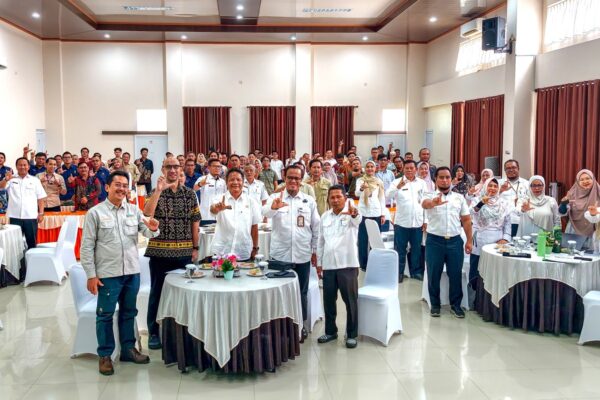
Following field visits and meetings with reindeer herders, forest industry and conservationists in May 2025, a number of Earthworm Foundation member companies are now collectively supporting transformational action in northern Sweden.
This marks a shift. There is a growing recognition that Sweden’s forest regulation and voluntary certification systems, while providing important safeguards, are not always sufficient to ensure that buying companies’ responsible sourcing commitments are being met. These companies are now starting to support on-the-ground work led by Sámiid Riikkasearvi; Svenska Samernas Riskförbund (SSR) in partnership with Earthworm Foundation — working for improved forest management outcomes for reindeers and reindeer herding communities.
Bringing EF members to the forests in Sweden to better understand the issues, and talking directly with their producers on their social and environmental requirements, has been key to these discussions and establishing projects seeking improved outcomes for people, nature and climate. Alastair Herd, Earthworm Foundation
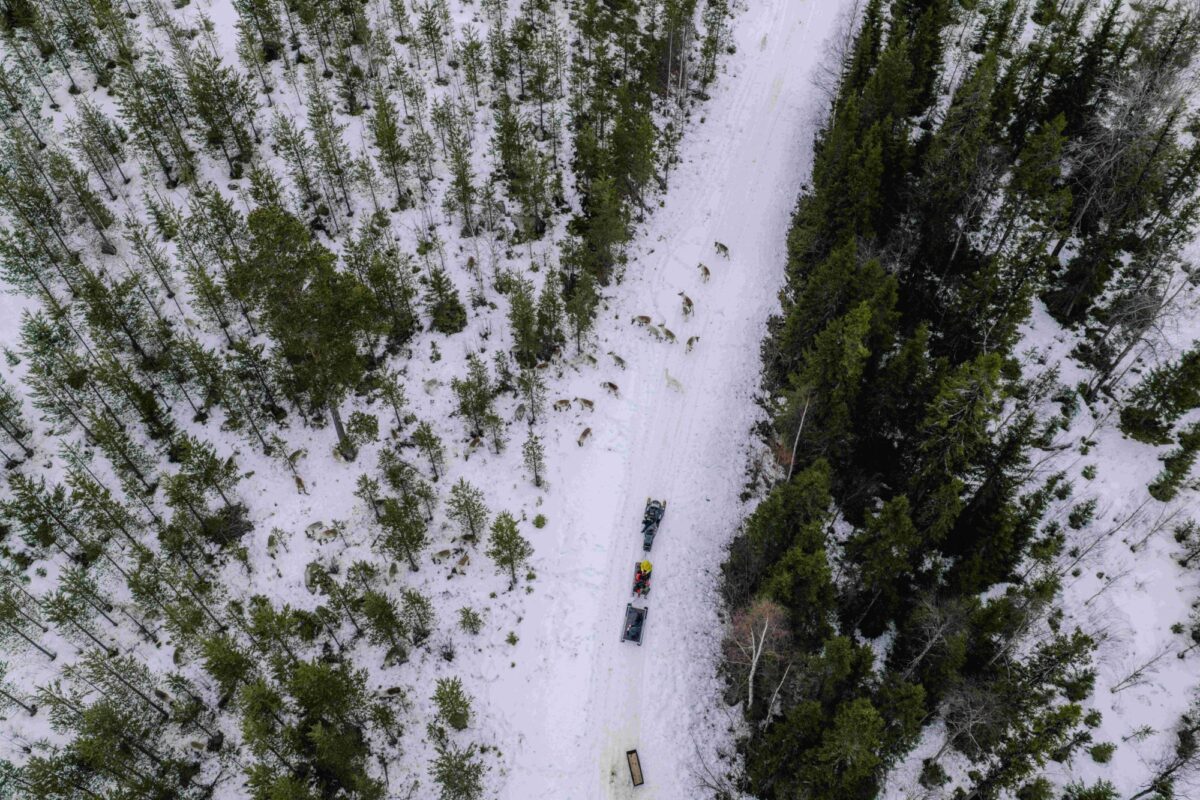
This collaboration with SSR focuses on respect for Indigenous Peoples and Local Communities (IPLC) and the principle of FPIC.
While FPIC is widely recognised in principle, applying it within active production landscapes remains complex. In northern Sweden, where forestry operations overlap with reindeer herding territories (Samebyar), this requires consent and long-term co-planning.
To support this, Earthworm and SSR are working toward a shared 2030 vision and the 2026 activity framework will build upon the pilot initiated in 2025 with one Sameby.
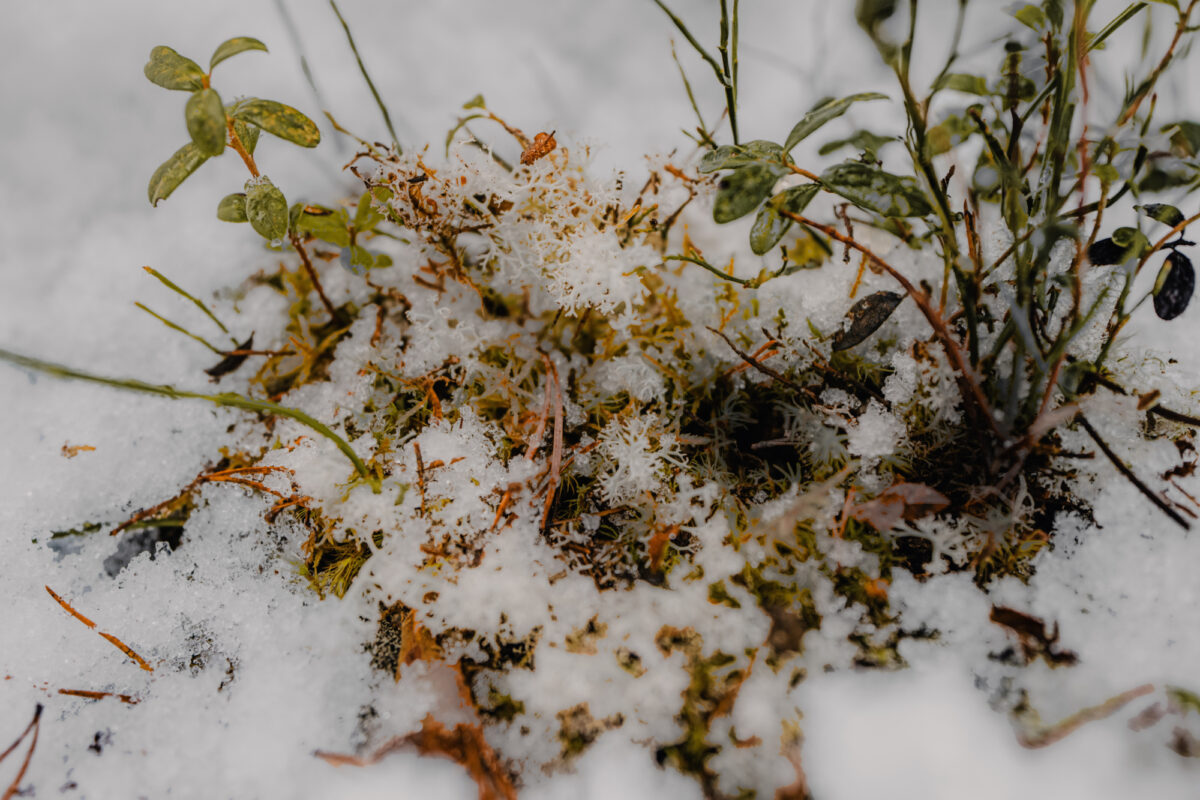
A key element of this effort is the development of practical indicators that translate critical traditional knowledge about reindeer herding conditions into quantified values that can be integrated into the forestry co-planning process which is central to achieving FPIC.
These indicators are not endpoints. They are intended to support dialogue: enabling forestry actors to better understand how industrial forestry impacts reindeer herding, and identify practical actions that forestry companies can take to improve conditions, such as cultivating lichen and creating safe grazing areas.
This pilot is key to changing the dynamic of our discussions with the forestry companies towards coexistence and the resilience of reindeer herding throughout Sami and making the process a positive experience for reindeer herding communities. – Jenny Wik Karlsson / Sámi representative
This work is unfolding in the context of increasing demands on the landscape, not only from forestry, but also from mining, other industries and infrastructure projects.
Even as demand for forest products fluctuates, mills must continue operating. Huge investments have been made in wood processing capacity and sawmills and pulp mills must be fed. Despite the huge expansion of industrial forestry since the 1950s, trees take a long time to grow in the boreal. Trees planted 80+ years ago are only now beginning to be harvested. That means that keeping the mills fed will rely on cutting much of the remaining old, natural but unprotected forest.
As a result, the underlying tensions remain. Without changes in how forests are managed — and how decisions are made — these pressures are set to intensify.
The aim of the current work is not to resolve these tensions outright, but to create the conditions to navigate them better, and with engaged and interested partners, show examples of other approaches for multi-value forestry.
Alongside FPIC-focused work, Earthworm and its partners are exploring the development of a multi-year initiative focused on enhanced forest management practices taking into consideration better identification, protection and restoration of High Conservation Value (HCV) areas and broader ecosystem services.
Still in its early stages, this work is expected to focus on regenerative forest management practices and Closer to Nature Forest Management (CTNF) approaches within specific forest stand types in the landscape—seeking to improve biodiversity, strengthen ecosystem resilience, and support Sámi reindeer herding. And it will seek to restore key degraded ecosystems in the forest landscape, including drained wetlands.
We are seeking to pilot implementation in 2027, with support from the current group of members.
Engaging in our key sourcing origins to promote practices that strengthen resilient landscapes and supply chains—so they can better adapt to forest-related pressures, as explored by this pilot—is a strategic priority for our company. – Michèle Zollinger, Nestlé
This on-the-ground work is taking place alongside growing external scrutiny.
Campaigning organisations continue to call attention to forestry practices in Sweden, targeting both producers and downstream brands. At the same time, the revision of the Sweden national FSC standard is underway — a process that could reshape expectations across the sector.
Whether consensus can be reached remains to be seen. But together, these dynamics signal a system in transition.
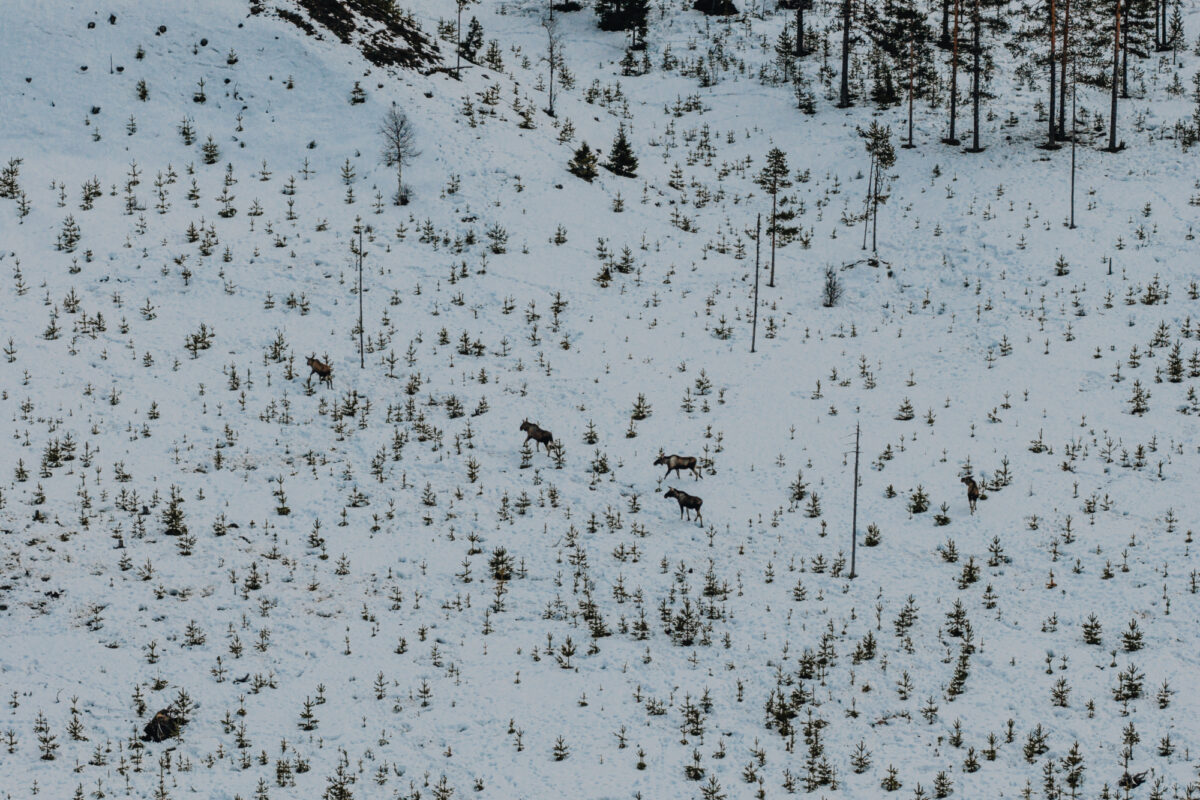
In Sámi, one word often used to describe a sense of trust and safety is oadjebasvuohta—a condition that is not declared, but built through experience.
In northern Sweden’s forests, that kind of trust cannot be assumed. It must be developed gradually—through shared work, difficult conversations, and decisions that begin to reflect multiple ways of living with the land.
The decision by a group of companies to fund and engage in this work is not a claim of resolution. It is a commitment to remain in the process. To work alongside Indigenous institutions, industry, and civil society. To test new approaches for improved outcomes and learn what it takes to move from principle to practice in a complex, contested landscape.
The outcomes are not yet clearly defined. But the direction is.
Footnote - Certification
Earthworm and Earthworm’s members value certification as a key tool to help demonstrate that Responsible Sourcing requirements are being met wherever they operate in the world.
While recognising that hard compromises will need to be made in Sweden's ongoing FSC National Standard Revision, the expectation of Earthworm members is that their upstream suppliers seize the opportunity to restore trust that the Standard ensures positive outcomes for nature and forest-dependent communities.